Share

How did it get to this, + Computer says shoplifter and a new meaning to state sponsored hacking
 ‌ ‌ ‌ ‌ ‌ ‌ ‌ ‌ ‌ ‌ ‌ ‌ ‌ ‌ ‌ ‌ ‌ ‌ ‌ ‌ ‌ ‌ ‌ ‌ ‌ ‌ ‌ ‌ ‌ ‌ ‌ ‌ ‌ ‌ ‌ ‌ ‌ ‌ ‌ ‌ ‌ ‌ ‌ ‌ ‌ ‌ ‌ ‌ ‌ ‌ ‌ ‌ ‌ ‌ ‌ ‌ ‌ ‌ ‌ ‌ ‌ ‌ ‌ ‌ ‌ ‌ ‌ ‌ ‌ ‌ ‌ ‌ ‌ ‌ ‌ ‌ ‌ ‌ ‌ ‌ ‌ ‌ ‌ ‌ ‌ ‌ ‌ ‌ ‌ ‌ ‌ ‌ ‌ ‌ ‌ ‌ ‌ ‌ ‌ ‌ ‌ ‌ ‌ ‌ ‌ ‌ ‌ ‌ ‌ ‌ ‌ ‌ ‌ ‌ ‌ ‌ ‌ ‌ ‌ ‌ ‌ ‌ ‌ ‌ ‌ ‌

Colorintech Weekly - 310

(View this version on the web)

Hey


A quiet week but hey its the middle or august so here is the real stuff you need to see +

Our next event in September with Tripadvisor below


Check out the AI Podcast version of this newsletter or the Video version on our Socials


This newsletter is free, but if you do want to get us a summer ice cream🍦 as a thank you for 300+ editions grab us one here🎁

Oh and if you missed an edition, you can find it here or this platform, here

🗞️Diversity and inclusion news🗞️

🚨Computer says shoplifter🚨


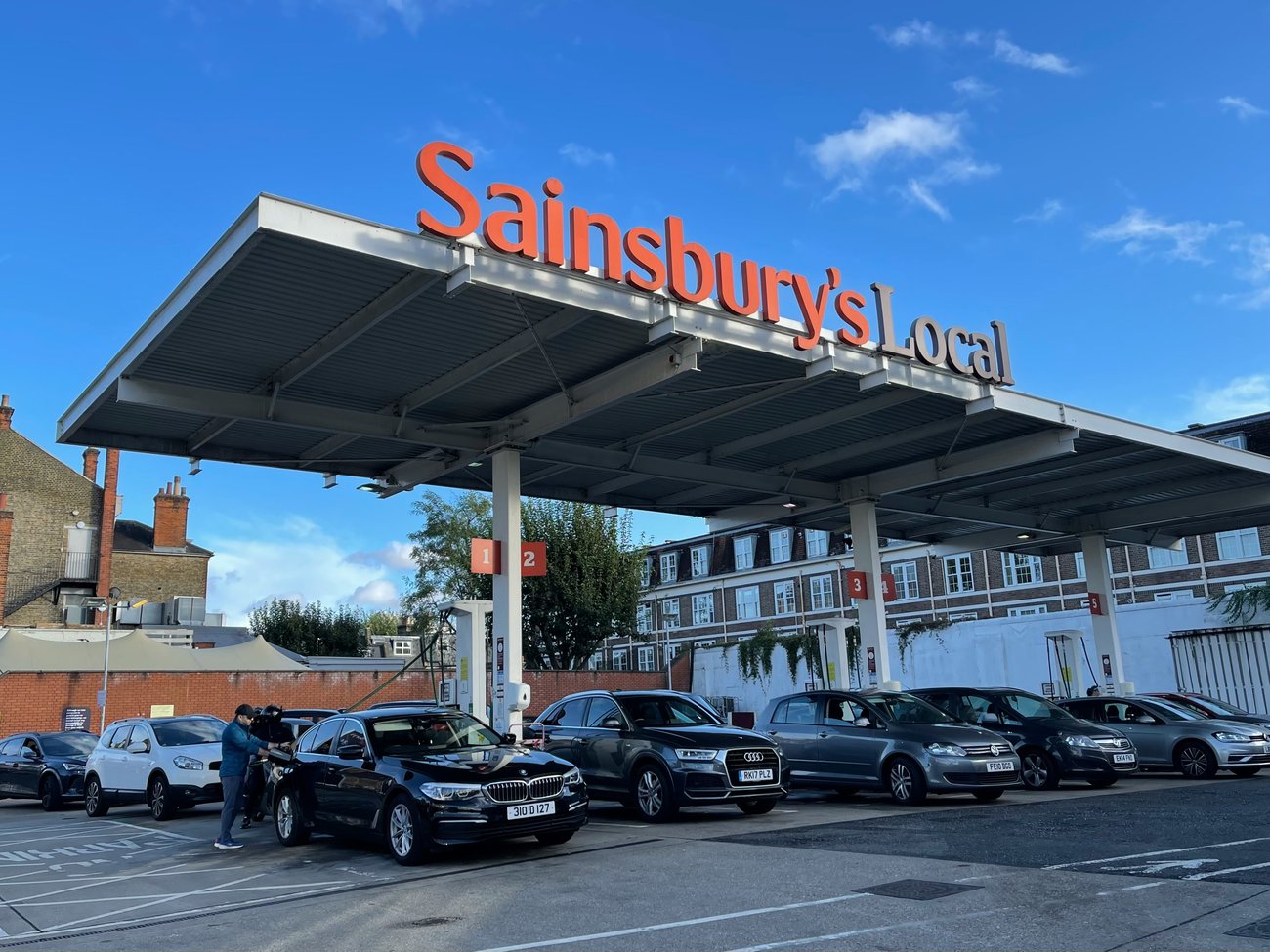
TL;DR: Sainsbury’s has paused facial recognition at one London store after an innocent customer was wrongly ejected as a suspected shoplifter. The company says the AI wasn’t wrong — the humans were. Which is reassuring, because obviously the humans aren’t part of the system. 🙃


What Happened

Matt Arnold was doing something particularly suspicious in Sainsbury’s: buying his shopping. He’d scanned his items, used his Nectar card and was waiting for alcohol approval when managers told him he’d been identified in connection with an earlier incident and asked him to leave. He later saw his face on a CCTV monitor with a red circle around it. Very Black Mirror. Slightly less fun when you’re the one in the circle. 📸


Sainsbury’s apologised and paused Facewatch facial recognition at the East Dulwich store, but says the mistake was caused by human error, not the technology. That might sound more comforting if this hadn’t happened before: another innocent shopper was wrongly challenged at a different Sainsbury’s last year, and that was also blamed on human error. 😬


Sainsbury’s says Facewatch is 99.98% accurate and points to a 46% fall in recorded theft and antisocial behaviour during initial trials. Retail violence is a genuine problem, so there is clearly a case for better tools. But 99.98% still leaves a rather important question: what happens when you’re the 0.02%?, how do we know its 99.98% (where is the data on people of colour?) 📊


Why This Matters?

The obvious concern for us is who bears the cost when these systems get things wrong. People from underserved backgrounds already face disproportionate levels of suspicion, surveillance and profiling in many settings. Adding facial recognition into that environment doesn’t magically remove those inequalities. 👀

And crucially, the algorithm doesn’t even have to be wrong for the system to harm someone. The alert, the interface, staff training, store pressure and the human deciding who gets challenged are all part of the system. Saying “the AI worked, the human got it wrong” is therefore slightly beside the point. 🤖

Arnold summed it up best: “People just listen to what the machine tells them to do without thinking about the consequences.” That is probably the bigger risk here — not just bad AI, but people becoming too willing to trust confident-looking machine outputs. 🧠


So What? 🤔

This matters far beyond supermarkets. AI will increasingly influence who gets interviewed, investigated, flagged, searched, approved or rejected. Sometimes the model will be wrong. Sometimes the human will be wrong. Sometimes the dangerous bit will be a reasonably accurate machine giving an uncertain human a very confident answer. ⚠️

For underserved communities, “human error” is not much comfort when you’re the person being stopped, rejected or escorted out. Responsible AI therefore can’t just mean asking “How accurate is the model?” It also means asking who gets harmed when it fails, whether people can challenge decisions and whether errors fall disproportionately on particular groups. ⚖️

Because “computer says no” was funny when it was a sketch. It’s rather less funny when the computer says shoplifter. 🛒


📚 Read More

BBC News — Sainsbury's branch halts AI use as shopper ejected
https://www.bbc.co.uk/news/articles/cddjlmeqjgyo

🧠Things that make you go hmmm🧠

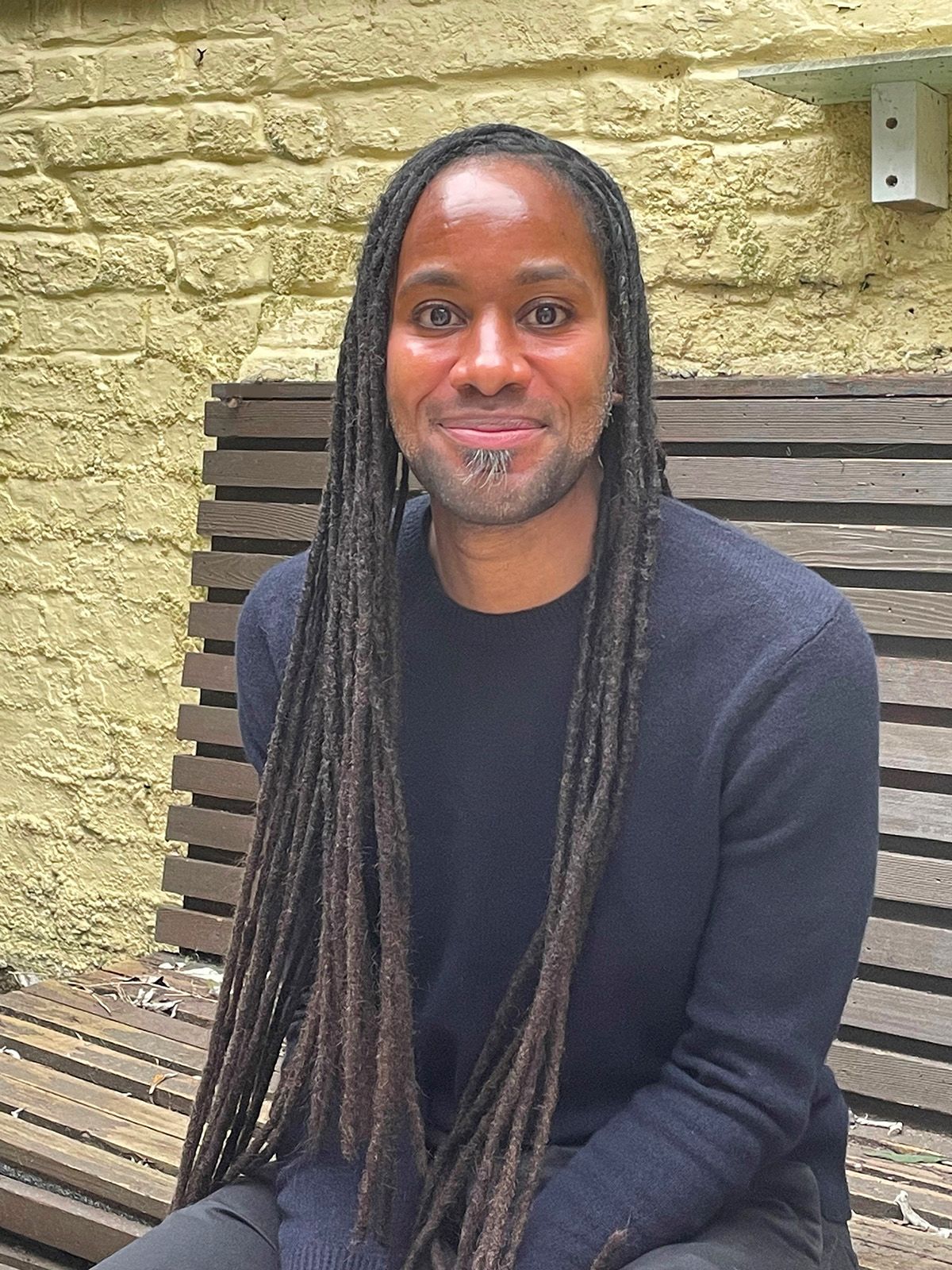
😢 RIP Jason Arday😢


TL;DR: Jason Arday, Cambridge’s youngest Black professor, has died after weeks of intense scrutiny over plagiarism allegations and disputed claims about his career. His death has triggered a much wider argument about media conduct, racism, institutional responsibility and a question many Black professionals will recognise immediately: who is actually allowed to make mistakes in public and still be treated as human? 🖤


What Happened

Arday resigned from Cambridge on 5 August after sustained coverage questioning parts of his academic record and personal story. He denied plagiarism, and Liverpool John Moores University — which awarded his PhD — had previously investigated and upheld its decision to award the doctorate. Cambridge later announced a separate independent investigation into new concerns around his appointment and academic record. 📚

Days later, Arday was found dead at his home in London. His family said he had been subjected to a “campaign of sustained abuse” and asked the press to stop what they described as a campaign of harassment. Cambridge’s chancellor, Lord Chris Smith, has since said it is possible both to uphold academic integrity and refuse to participate in what he called a “racist feeding frenzy”. 🕯️

The media response is now under scrutiny too. IPSO says it has received a high volume of complaints about coverage of Arday, including complaints over accuracy, while the Good Law Project is calling for a public inquiry into press conduct. More than 90,000 people have signed its petition. 📰


Why This Matters

There are two things that can be true at once. Academic standards matter. Allegations should be investigated. And scrutiny does not have to become spectacle. ⚖️

The uncomfortable question is whether Arday was subjected to the same level and tone of scrutiny that would have been applied to a white academic in similar circumstances. His appointment had always carried symbolic weight: only around 1% of UK professors are Black, so he was routinely framed not simply as a professor, but as the young Black professor at Cambridge. 🎓

And that creates a familiar trap for people from underrepresented backgrounds. You are celebrated as evidence that the system is becoming fairer, then expected to be flawless because any individual failure risks being turned into evidence that the wider push for diversity was misguided in the first place. 👀

That is why headlines describing Arday as Cambridge’s “diversity poster boy” matter. Criticism of one individual can very quickly become an argument about whether people like him belonged there at all. That is a burden most white academics simply do not carry. 🧩


The Bigger Picture

This is about much more than one university appointment. It is about how institutions treat people they elevate as symbols of progress, how the media covers people from marginalised groups when controversy arrives, and whether public accountability has quietly become indistinguishable from public humiliation. 🌍

Cambridge’s chancellor probably captured the tension best: you can investigate questions around academic integrity without turning the person being investigated into a proxy battle over race, merit and DEI. Those are not contradictory positions. 🧠

There is also an institutional lesson here. Organisations love the optics of “firsts”: first Black professor, youngest Black leader, first woman to do X. But once you turn someone into a symbol, you also take on a responsibility not to abandon the human being behind the headline when things become uncomfortable. 🏛️


🧠 So What?

For anyone from an underrepresented background, the lesson here is painfully one we are all too familiar with: representation without psychological safety, institutional support and fair treatment is not enough. Getting through the door is only one part of inclusion. 🚪

This should also make editors, universities and employers think harder about proportionality. Scrutiny is legitimate. Accountability is legitimate. But when coverage becomes relentless, racialised or dehumanising, “public interest” can start doing a lot of work as a justification. 📰

And perhaps the hardest question is this: are underrepresented people allowed to be complicated, flawed or even wrong without their entire identity group being put on trial with them? Because equality cannot mean demanding perfection from the people who had to fight hardest to get into the room. ⚖️


"When people talk about the need for Black Excellence I counter with an insistence on Black mediocrity: the right for black people to be as average, flawed, compromised & mistaken as any other group of people. The right, ultimately, to be human." R.I.P. Jason Arday


📚 Read More

BBC News — Cambridge chancellor criticises 'racist feeding frenzy' around Jason Arday
https://www.bbc.co.uk/news/articles/clyxklg3xypo

The Guardian — Jason Arday, professor at centre of Cambridge plagiarism row, found dead
https://www.theguardian.com/uk-news/2026/aug/14/jason-arday-found-dead-after-resigning-from-cambridge-over-plagiarism-claims

Press Gazette — IPSO reviewing ‘high volume’ of Jason Arday coverage complaints after Cambridge academic’s death
https://pressgazette.co.uk/news/ipso-reviewing-high-volume-of-jason-arday-coverage-complaints-after-cambridge-academics-death/

Good Law Project — Jason Arday: Demand a public inquiry now
https://goodlawproject.org/petition/jason-arday-letter/

The Voice — They hounded Jason Arday. Now a family is grieving
https://www.voice-online.co.uk/opinion/comment/2026/08/14/they-hounded-jason-arday-now-a-family-is-grieving/

🔐State sponsored what


TL;DR: The US government is creating a programme allowing approved private companies to conduct offensive cyber operations against overseas cybercriminals. Yes, private companies carrying out government-approved cyberattacks on foreign systems. State-sponsored hacking, but make it a public-private partnership. 💻🏴‍☠️


What Happened?

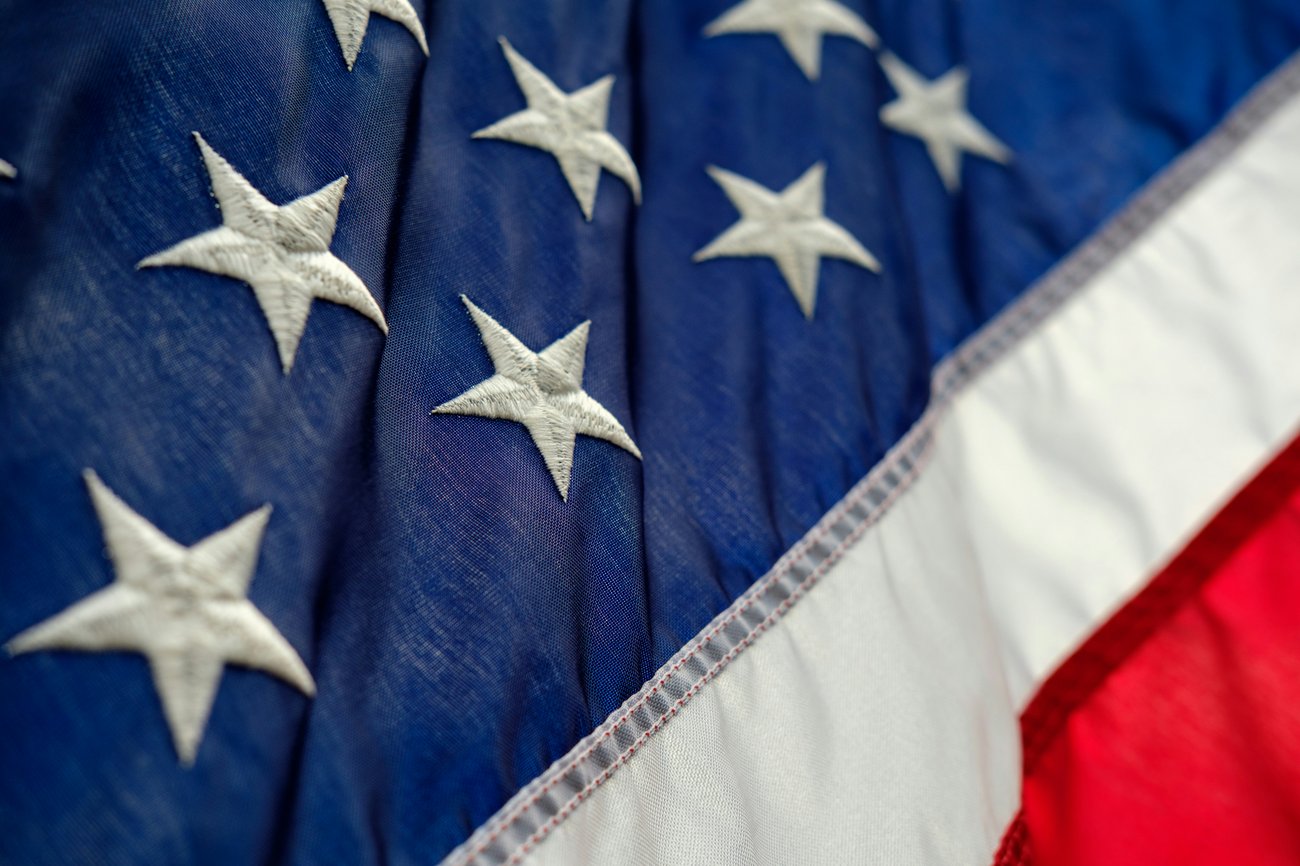
The Trump administration has issued a presidential memorandum allowing vetted US companies, under federal supervision, to conduct offensive operations against international cybercriminals responsible for ransomware, scams and other attacks on Americans. 🇺🇸

And we're not just talking about politely blocking an IP address. Companies could conduct surveillance using spyware, gather intelligence and launch disruptive operations capable of destroying criminals' data or systems. Operations would require Justice Department and Homeland Security approval, and companies would have to put $1 million into escrow that they could lose for breaking the rules. 💰


That's a fairly dramatic departure from America's longstanding position: companies can defend themselves against hackers, but they cannot simply wander onto someone else's network and start breaking things. The government insists this isn't carte blanche to “hack back” — operations would happen under government supervision — but the Rubicon has definitely been crossed. 👀


Why This Matters

Brings a whole new meaning to state-sponsored lawbreaking — or potentially international law. Because cyberspace unfortunately does not come with convenient little signs saying “Russian criminal server, definitely not connected to anything else, please attack here.” 🌍

Servers sit in actual countries. Networks can host multiple organisations. Criminal groups can operate alongside legitimate infrastructure. And governments tend to get slightly annoyed when another country's actors start destroying computers inside their borders — even when those actors arrive carrying a metaphorical permission slip from Washington. 📝

It also raises an interesting question of accountability. If a private American company accidentally hits the wrong infrastructure abroad, who owns the consequences? The company that pushed the button? The government officials who authorised it? The US government? All three? or no one? ⚖️


The Bigger Picture

There is a reason offensive cyber operations have traditionally been the territory of governments and intelligence agencies. Once private companies start participating, the distinction between commercial cybersecurity company and state cyber operator gets rather blurry. 🫠

One cybersecurity expert quoted by TechCrunch warned that Americans involved could potentially be treated abroad like non-uniformed combatants or face foreign criminal charges. Imagine explaining at passport control that, technically, yes, you did attack systems in their country — but your employer had approval from Homeland Security. ✈️

There's another bit of irony here too. The US says it needs more ways to fight a growing cyber threat while simultaneously dealing with cuts and layoffs across parts of its federal cybersecurity workforce. So one interpretation is: reduce state capacity, then ask private companies to perform more state functions. We've seen this movie before. 🎬

And AI makes the whole thing even more interesting. Offensive cyber capabilities are becoming faster and increasingly automated. TechCrunch notes that governments are already grappling with autonomous AI-driven cyberattacks. Giving private operators permission to conduct offensive operations just as AI dramatically lowers the cost of doing so could make this policy considerably more consequential than it initially appears. 🤖


🧠 So What?

There is a perfectly reasonable argument behind this: cybercriminals routinely operate across borders precisely because they know their victims can't easily strike back. Why should ransomware gangs get permanent home-field advantage? 🎯

But once the world's most powerful cyber nation effectively says “some approved companies can attack foreign systems on our behalf,” other countries have a fairly obvious precedent to point towards when they decide their own private companies should do the same. 🔄

And that may be the biggest question here. Is America creating a clever new tool for disrupting cybercrime — or helping normalise a world where governments outsource offensive cyber operations to private companies?

Because if it's the latter, the next cybersecurity arms race might have considerably more participants. 🏴‍☠️


📚 Read More

TechCrunch — In a first, US will allow some private firms to carry out cyberattacks
https://techcrunch.com/2026/08/13/in-a-first-us-will-allow-some-private-firms-to-carry-out-cyberattacks/

👩🏿‍💻For the creators👩🏿‍💻

📈 The tools behind the tech📉

📦Product📦

📏Design📏 

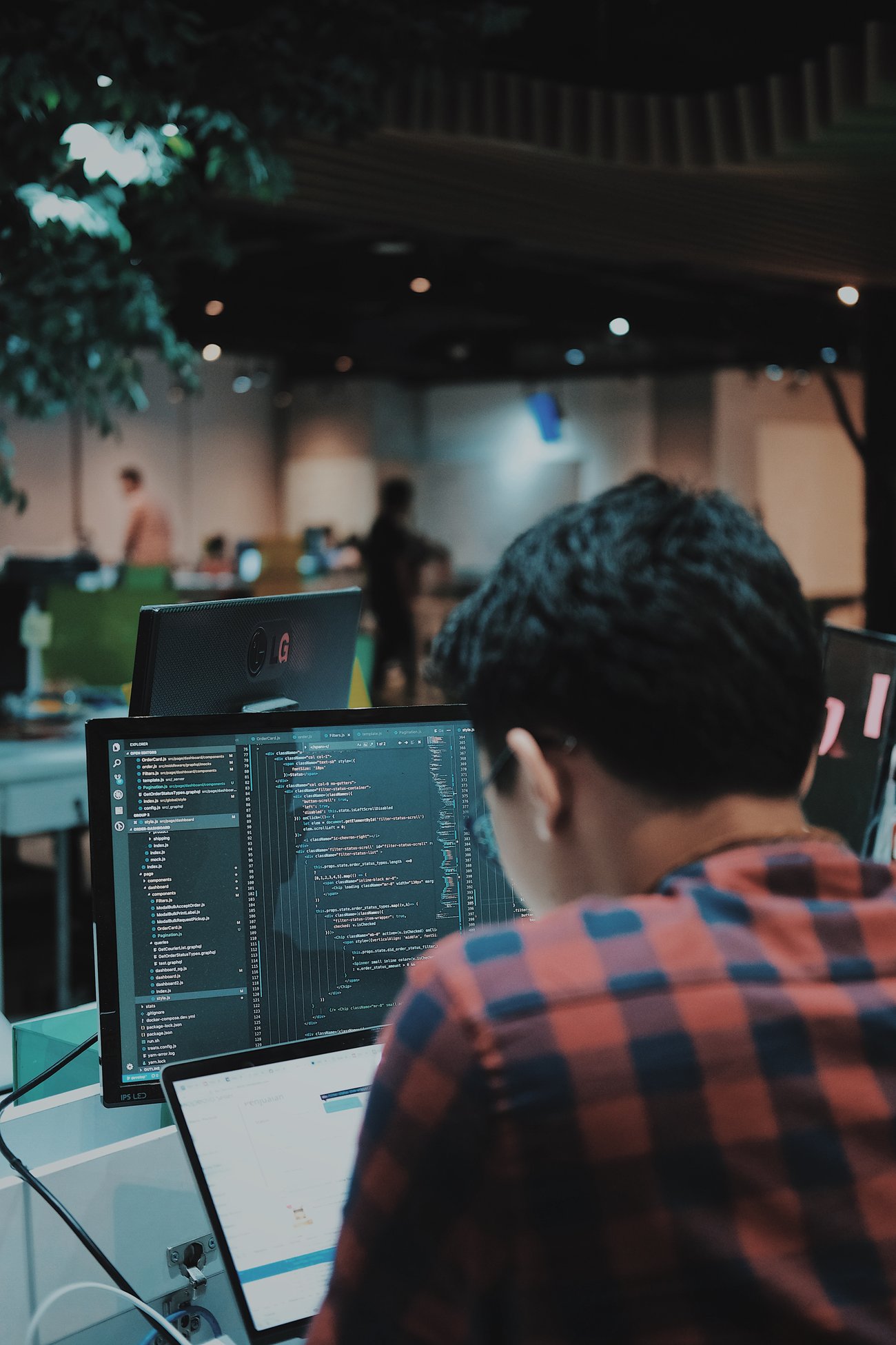
👩🏿‍💻Code👩🏿‍💻

🏢The business behind the tech🏢

🛍️Tech deal of the week🛍️

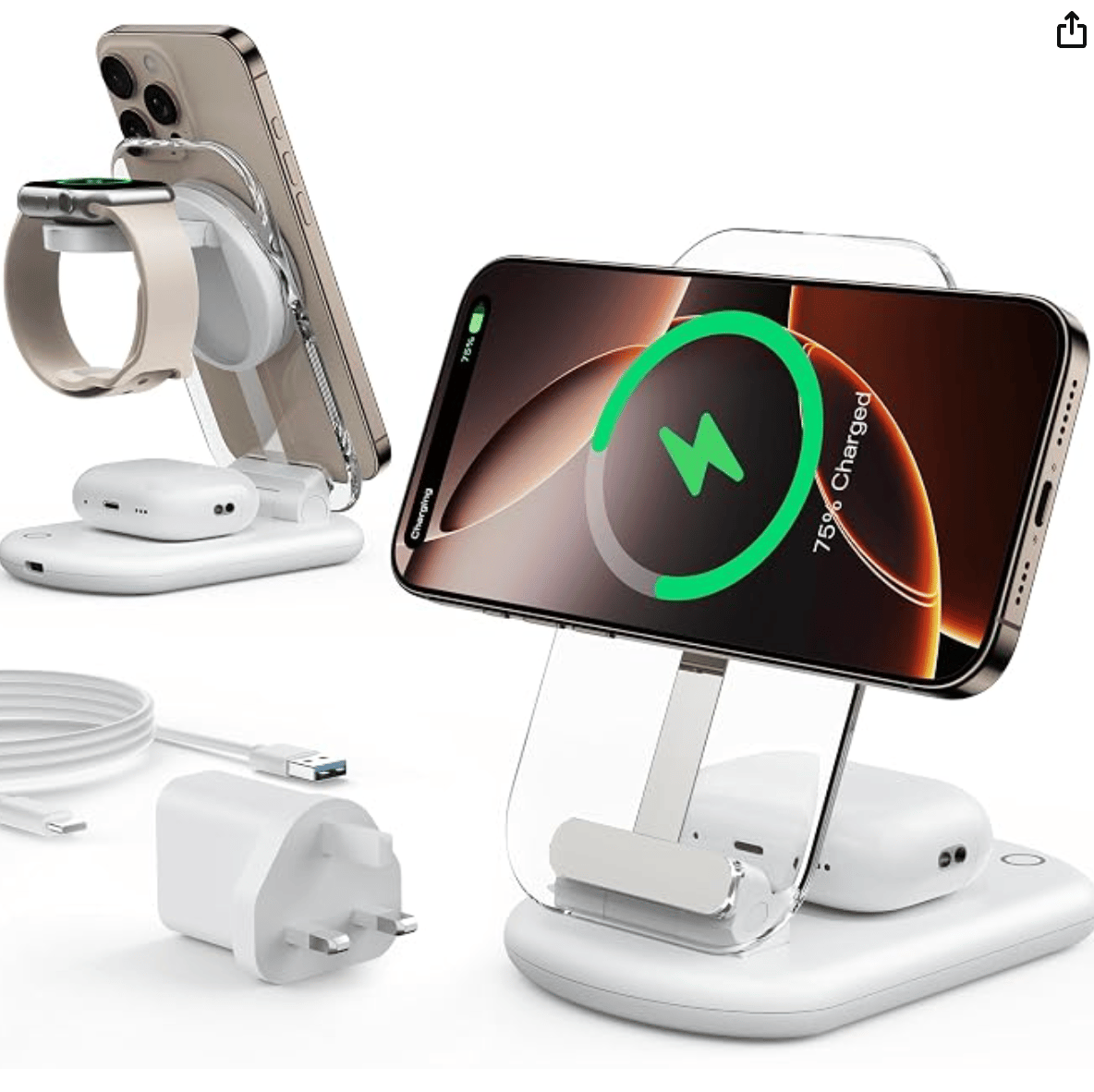
A wireless charging station for Apple devices


Link here and check out our other deals too


And view our shop with our whole collection here


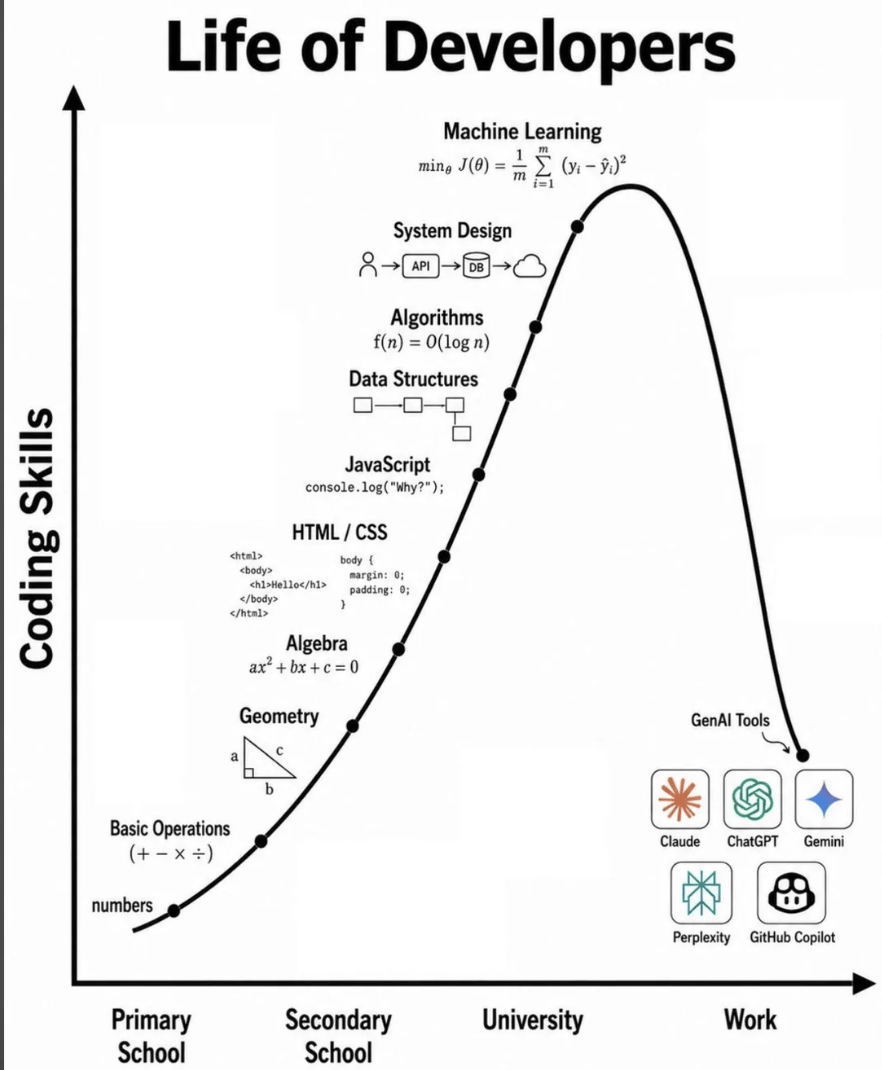
😅Meme/AI video of the week 😅 (the internet can be savage lol)

🌐Partner Events & Opportunties 🌐

Below are the top opportunities we want to highlight to you this week! If you want to see more, then check out our new website where we have a whole page dedicated to events and opportunities from us and our partners:


https://www.colorintech.org/events

🙌🏾A Passport to Personalisation: Earning Customer Trust in AI🙌🏾


Ever wondered how AI knows you so well?  That's exactly what our next event is about. 
We are hosting a panel discussion all about AI personalisation and discussing how brands are navigating data, bias, and trust in the age of AI @ Tripadvisor


We have an incredible line up of speakers including: 
Shubham Kadlag: Manager, Marketing Engineering @ TripAdvisor
The person behind the tech that personalises how TripAdvisor reaches travellers across search, social, and CRM.
Subomi Salami: Senior Product Manager @ Microsoft AI
Senior PM at Microsoft AI, where she builds AI-powered experiences that enhance the way people work. 
Daniel Hammond: Senior Product Analyst @ Just Eat Takeaway
Co-founder of Just Eat's AI Ambassador Programme, championing knowledge sharing as the key to scaling with AI.
Tasneem Bhamji: Digital Engagement Director @ Lloyds Banking GroupAn executive at Lloyds Banking Group where she specialises in digital engagement and customer experience. 


There will also be giveaways and opportunities to network with people from across the tech community. 
📆Date: Wednesday 9th September
⌚️Time: 6pm - 9pm (with time for networking) UK Time
📍Where: Central London
Register to secure your free ticket here (spaces are limited and subject to availability) 


☕️Coffee & Co-working☕️


It's been a while but we thought it was time to host another coffee & co-working session for everyone in community. 


It's a chance for you to connect with others in a more relaxed setting (plus get some work done), and it's a great way to meet new people!
So whether you are a remote worker looking for people to co-work with, a founder wanting to connect with others or just someone who doesn't want to work alone on a Friday morning, come and join us! 


📆Date: Friday 4th September
⌚️Time: 9am–11:30am
📌Where: Central London RSVP: https://luma.com/colori-cjbk 

Spaces are very limited and subject to availability so be sure to get your ticket ASAP!


💴A chance to earn money💴


Tiiny host, the simplest way to share your work online is building a LinkedIn ambassador programme.


It's opened to UK/US creators with at least 1,000 followers, who are interested in AI workflow, who are builders at heart and love sharing their experience. If you love building landing pages, apps on Claude, Chaptgpt and would like to share your work, Tiiny Host is the perfect solution.


The opportunity is to promote Tiiny Host use cases and it's paid per post with 4 posts a month / 1 post per week.


More about the programme. You can apply here
Tiiny Host is offering a 20% discount off your first month using code promo colorintech to all Colorintech members


🙌🏾The latest from the Colorintech team🙌🏾

😃What we are consuming😃


👨🏿‍⚖️A consequential court case for Meta

🖱️Google launches its equivalent of an air tag

🌧️Can AI tell you the weather

🍔What data does mcdonalds have on you

😮Google will now let you remove its AI generated watermark


Email Marketing by ActiveCampaign