|
🤦🏾♂️That elon interview🤦🏾♂️
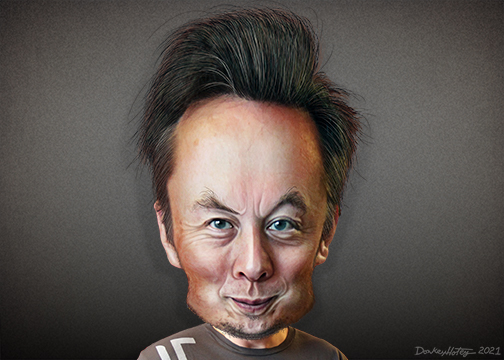
So Elon musk sat down with the Editor of The Economist Zanny Minton Beddoes last week for an interview. It was a lesson of incredible mansplaining but there were some things that we took from it
1. Musk thinks superintelligence is five years away
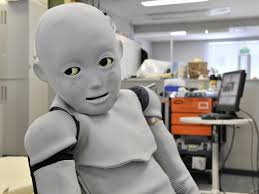
Musk predicts that AI could become more intelligent than all of humanity combined within around five years. Within a decade, he believes there may be almost nothing humans can do better than machines.🤔
Even more extraordinary was the lack of depth around what happens next. Musk’s position appears to have shifted from warning that AI could destroy humanity to accepting that the momentum is unstoppable and deciding we should “enjoy the ride”.
Perhaps we are old-fashioned, but “hopefully the superintelligence likes us” feels less like a safety plan and more like the final line in a film immediately before everything goes wrong. 🤖
2. His proposed AI regulator is… the AI companies themselves
Musk suggested that the leading AI laboratories should regularly inspect one another’s models, share early access and raise the alarm when a competitor creates something dangerous. Governments could then intervene where necessary👀
There is some logic to competitors scrutinising each other’s work. But it is still difficult to escape the basic problem: the same handful of companies racing to build superintelligence would largely decide whether their own race is safe.
It is the corporate equivalent of asking the foxes to establish a weekly working group on henhouse security. 🦊
His comments about Muslims and Europe were genuinely alarming
Musk argued that Europe is importing large numbers of people with beliefs “antithetical” to Western values and suggested that Britain could eventually face civil war as a result.
These were sweeping claims about millions of Muslims, made by someone who admitted he had not visited Britain for several years. The interviewer repeatedly challenged the dystopian version of the UK that Musk promotes to his audience, but Musk simply insisted that he was right.
There are legitimate conversations to be had about immigration, integration and social cohesion. But treating Muslims as a single cultural threat is not a serious analysis of any of them. It is the kind of framing that turns complicated policy questions into suspicion of an entire group of people.
The fact that it comes from someone with extraordinary reach and influence makes it more concerning, not less. 🌍
His “zero people died” claim on USAID showed astonishingly little depth
When challenged about the sudden removal of US aid funding, Musk repeatedly insisted that precisely zero (Yes you read that right) people had died as a result.
Not that the number was uncertain. Not that the evidence was contested. Zero.😯
He then suggested that organisations such as the Gates Foundation could simply step in and replace lost government funding. This seemed to ignore the fact that Bill Gates is already giving away vast amounts of his wealth and that Musk himself could presumably intervene if private billionaires are now expected to maintain global healthcare systems.
More importantly, international health programmes are not subscriptions that can be paused while everyone searches for a new payment method. When funding for medicines, clinics and staff disappears overnight, people do not politely wait for philanthropy to reorganise itself.
Musk may genuinely believe the number is zero. That would arguably make the answer even more extraordinary. 💸
Musk appears to think followers are the same thing as fans
When challenged over how disliked he has become, Musk pointed to his enormous number of followers on X as evidence that more people like him than dislike him.
There are several problems with that argument.
Following someone does not mean liking them. People follow many politicians, journalists and public figures because they are newsworthy, controversial or powerful. Some may simply be waiting to see how low Musks stoop next.
We've seen reports where X has also previously made users follow Musk automatically, has long struggled with bots, and is ultimately a media platform itself. Musk criticises “the media” as though X is somehow separate from it, while using X to shape the news, influence politics and broadcast his views to hundreds of millions of people.😩
He may be closer to Tom from Myspace than he realises: being placed in everyone’s network is not necessarily evidence that everyone wants likes you. 📱
Sorry its paywalled but you can see the interview here or its been clipped up lots of places
🧠The wider takeaway
The most striking part of the interview was not simply Musk’s confidence in the technology. It was the confidence with which he spoke about societies, cultures, international development and public opinion often with remarkably little evidence or curiosity.
This is someone who owns critical infrastructure, controls one of the world’s largest communications platforms and is helping to build the systems he believes may soon surpass humanity.
It would be comforting to hear more humility from the person telling us that human control may shortly become obsolete. 👀
|