|
|
|
🗞️Diversity and inclusion news🗞️ |
|
|
|
🙄AI was meant to level the playing field. It’s… doing the opposite. 🙄
TL;DR: The people already winning at work are using AI the most — and pulling further ahead. Meanwhile, entry-level roles are shrinking, and we know who is most likely to be stuck in lower-paid work: women, ethnic minorities, disabled workers, and those without inherited networks. 🪜
A new FT-backed study lands a pretty uncomfortable truth: AI adoption isn’t evenly spread — it’s heavily skewed towards high earners and experienced workers. More than 60% of top earners use AI daily, compared with just 16% of lower earners. So much for “democratising tech” 😬
And this is where the inequality bit really bites. Lower-paid roles are not randomly distributed. They are disproportionately held by women, minority ethnic workers, migrants, disabled people and those without elite educational or professional networks. So when AI adoption skews toward already well-paid, high-agency workers, it risks reinforcing the same old inequalities — just with shinier software 🤖
The cruel irony is that AI seems to work best when you already know what good looks like. Experienced lawyers, developers, accountants and managers can use it to move faster, produce more and look even more impressive. Meanwhile, the workers who could benefit most from productivity support may have less access, less training, less permission, and fewer roles where AI is properly embedded. Classic innovation: most useful for the people who needed the least help 🫠
Even more telling? The heaviest users aren’t Gen Z. They’re people in their 30s — experienced enough to know what to do with the tools. AI isn’t replacing expertise; it’s amplifying it. Great if you already have experience. Less great if you’re trying to get your first proper job 🚪
That door is getting smaller too. Entry-level roles are already under pressure, with junior tasks increasingly handled by AI at the direction of senior staff. So you get a bleak little loop: you need experience to use AI well, but AI is eating the roles where you were supposed to get that experience in the first place. Neat. Horrifying, but neat 😬
So younger workers are adapting. The Guardian reports Gen Z turning to freelancing, side hustles and entrepreneurship — not always because they’re “born founders”, but because the traditional ladder looks broken. AI becomes both the threat and the workaround: fewer junior jobs, but more tools to build without permission 🛠️
So what?
This isn’t just a skills gap. It’s a power gap. If high earners get the tools, training and permission first, AI becomes an inequality multiplier. The people already closest to opportunity get faster, while everyone else gets told to “upskill” from the back of the queue.
For employers, the challenge is obvious: AI training cannot just go to senior teams and “high performers”. For policymakers, access to AI skills needs to sit alongside employment, education and inclusion strategy. And for workers, especially early-career and underrepresented talent, the task is brutal but clear: learn the tools, build proof, and don’t wait for broken systems to hand you permission.
Because if AI is going to reshape work, the question isn’t just who becomes more productive. It’s who gets left doing the work AI didn’t bother to democratise. 🧠
Read more:
https://www.ft.com/content/0873e3cb-cb02-4b47-941f-14da74149670
https://www.theguardian.com/technology/ng-interactive/2026/apr/25/gen-z-entrepreneurs-business-ai |
|
|
|
🏃♂️The world marathon record. 🏃♂️
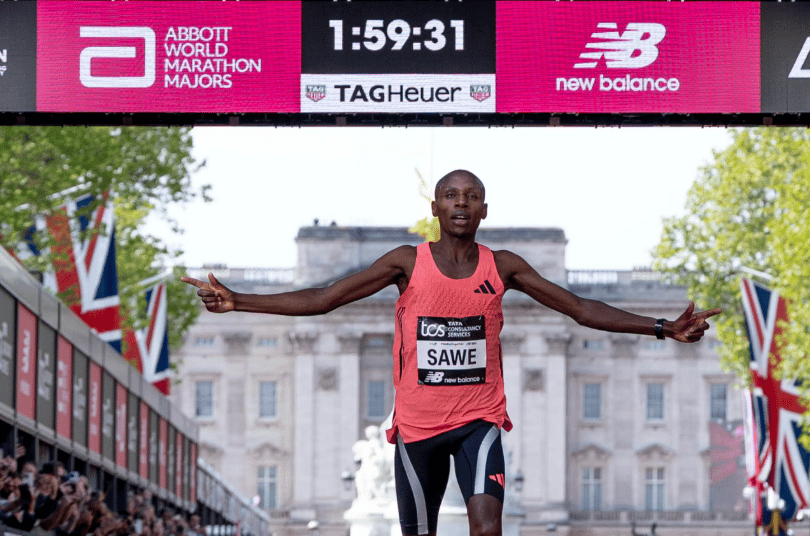
So last week we spoke about the Bot doing a half marathon in 50m mins. Well the fastest human ever across the distance was only 9mins slower and didn't need a battery replacement💁 oh and then he ran another half, quicker than his first😮
To put the achievement in perspective In London hireable Lime scooters top out at 12.5 mph. That means that if you rode one round the London marathon course at top speed, never braking or backing off, by the time Sawe had finished you'd be more than a mile behind him.
Sabastian Sawe: 1:59:30 < Take a bow |
|
|
|
|
|
🧠Things that make you go hmmm🧠 |
|
|
|
Meta layoffs 🍎
Meta is tracking workers’ clicks to train AI… then cutting 8,000 jobs. Subtle. 🫠
TL;DR: Meta wants employees’ keystrokes and mouse clicks to train AI agents, while cutting 10% of staff because AI is apparently making work “more efficient”. You can see why the vibes are ... not giving. 🤖
Meta has told staff it will start tracking how they use company computers — including clicks, keystrokes and workflows — to train AI models that can complete everyday computer tasks. The company says this is about giving its AI “real examples” of how people work. Which is technically true, but also a very elegant way of saying: please train the thing that may later make your team redundant 😬
Days later, Meta confirmed it will cut around 10% of its workforce, roughly 8,000 people, while also closing thousands of open roles. The company is spending up to $135bn on AI this year, nearly double last year’s AI spend, and Zuckerberg has been very clear that AI means projects once done by large teams can now be handled by “a single very talented person”. Lovely motivational poster material, if the poster is hanging in the redundancy consultation room 📉
And Meta is not alone. Microsoft is offering voluntary retirement to thousands of long-serving US staff while also spending more than $100bn on AI infrastructure. Amazon, Oracle, Block and Snap have all made large cuts too, with AI either directly or politely lurking in the explanation. The industry has moved from “AI will augment workers” to “AI will augment shareholder margins”, which is a slightly different TED Talk 💸
The uncomfortable bit is the sequencing. Workers are being asked to adopt AI, feed AI, train AI and increase productivity with AI — then being told those productivity gains mean fewer workers are needed. It’s the corporate circle of life, but with more dashboards and fewer severance FAQs 🧠
So what? For workers, the message is clear: AI literacy is no longer optional, but neither is understanding how your labour data is being captured and reused. For companies, this is where trust starts to crack. You can’t ask employees to help build the future if the future looks suspiciously like their job disappearing. And for policymakers, this is the workplace AI debate arriving in real time: surveillance, automation, consent and redundancy — all bundled into one extremely dystopian productivity suite 😬
Read more:
https://www.bbc.co.uk/news/articles/cvglyklz49jo
https://www.bbc.co.uk/news/articles/crm1y89vek8o
https://www.theguardian.com/technology/2026/apr/23/meta-microsoft-tech-ai-layoffs |
|
|
|
🚗A car with no steering wheel or pedals🚗
TL;DR: Tesla’s Cybercab — no pedals, no steering wheel, just vibes and AI — is officially in production. It’s a bold bet on autonomy… arriving slightly ahead of full public trust (and regulation). 🤖
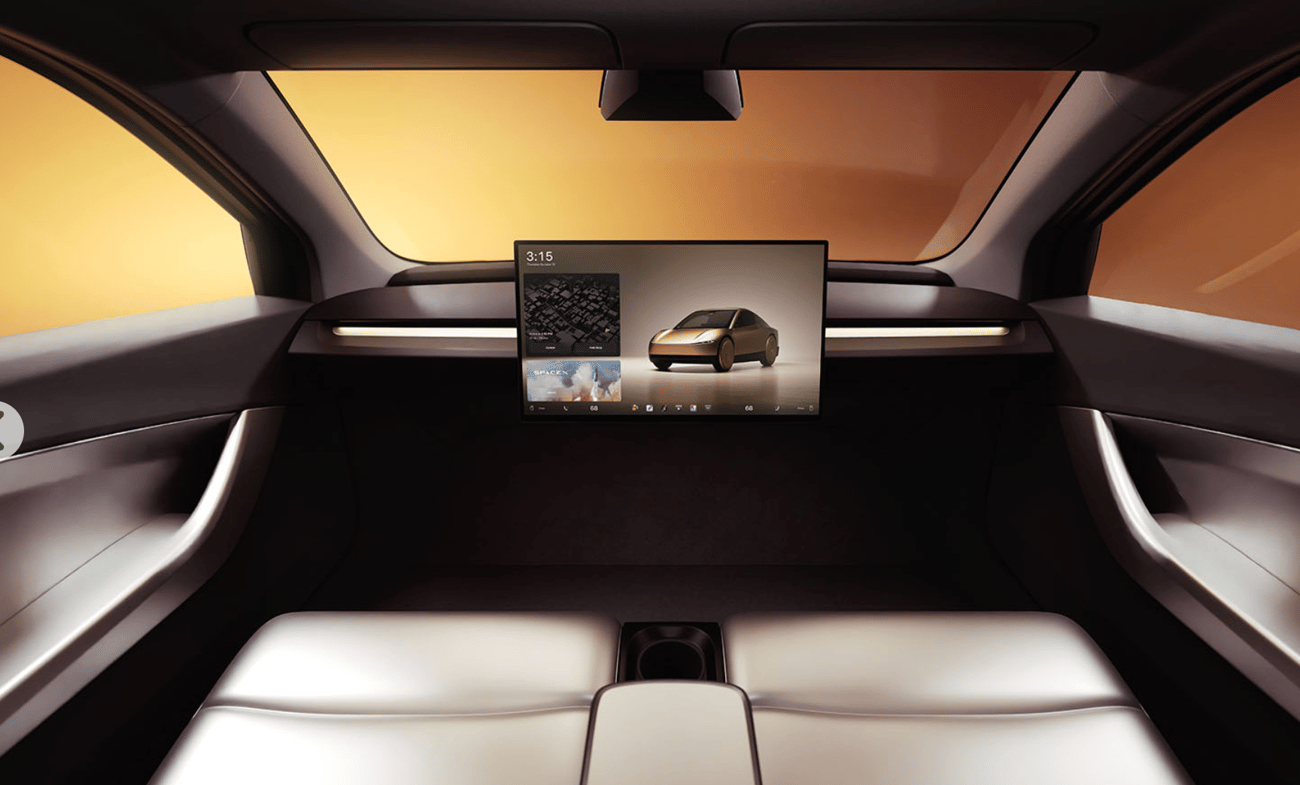
Tesla has confirmed its Cybercab — a fully autonomous, steering wheel–less, pedal-less vehicle — is now being produced at its Texas factory. This isn’t a retrofit. It’s a ground-up design for a world where the human driver is… optional at best 😶
Inside, it’s peak minimalism: two seats, a big screen, no controls. The assumption is simple — the AI drives, you sit there. The company’s vision-only Full Self-Driving system does all the work, powered entirely by cameras and software rather than the lidar-heavy setups competitors rely on. Which is either visionary… or a very expensive philosophical stance 👀
This is all part of Tesla’s long-promised robotaxi network, where fleets of these things could offer on-demand rides, cut costs, reduce accidents, and basically Uber-ise car ownership. In theory, your future car doesn’t sit parked — it goes out and earns money for you. Passive income, but make it transport 💸
Reality check though: production has started, but slowly. Musk himself says scaling will be gradual while they “validate safety”. Which is reassuring, because regulators are already investigating millions of Tesla vehicles over concerns the current system struggles with basic road conditions. Not ideal when your next version removes the human entirely 😬
And then there’s the competition. Waymo, Zoox and others are already operating robotaxi services in multiple cities using a mix of cameras, radar and lidar. Tesla is betting it can leapfrog them with a cleaner, cheaper, camera-only approach. High risk, high reward, very Elon 🎲
The bigger picture here is less about this specific car and more about what it represents. Tesla isn’t just building vehicles anymore — it’s building infrastructure for a world where autonomy is assumed. And by removing the steering wheel entirely, it’s making a pretty loud statement: we trust the AI more than the human.
So what? If this works, it reshapes urban transport, ownership models and entire job categories overnight. If it doesn’t, it raises some very uncomfortable questions about how quickly we’re deploying AI into physical, high-risk environments. Either way, we’re moving from “driver assist” to “good luck” faster than most people probably expected 😅
Read more:
https://www.teslarati.com/tesla-confirms-cybercab-with-no-steering-wheel-enters-production
https://www.cnet.com/roadshow/news/tesla-cybercab-begins-production/
|
|
|
|
💔The AI power couple is… seeing other people🤖
TL;DR: OpenAI and Microsoft are loosening their $135bn partnership — not breaking up, but definitely redefining the relationship. Translation: AI is getting too big (and too lucrative) for exclusivity. 💰
For the past few years, this duo basically was the AI boom. Microsoft brought the cloud, the cash, and enterprise distribution. OpenAI brought the models, the hype, and ChatGPT. A classic “you complete me” situation.
Now? It’s more “you’re still important… but I need options.”
Under the new deal, OpenAI can sell its tech more widely and work across multiple cloud providers — including rivals like Amazon Web Services and Google Cloud. Meanwhile, Microsoft gives up its exclusive hosting rights but keeps a 20% revenue share (yes, every ChatGPT subscription still sends money their way).
So no, this isn’t a breakup. It’s a strategic uncoupling.😅
The real signal here is power shifting. OpenAI is no longer just a lab or a partner — it’s positioning itself as a platform company with global distribution ambitions, eyeing massive revenue growth and, eventually, an IPO. You don’t do that while locked into one cloud provider.
At the same time, Microsoft has quietly de-risked its position. It keeps:
- a huge equity stake
- long-term access to OpenAI models (even if non-exclusive)
- a guaranteed cut of revenues
And crucially, it’s removed the infamous “AGI clause” — the one that could have cut it off if OpenAI ever achieved artificial general intelligence.
(Yep if OpenAI ever declared it had achieved AGI (Artificial General Intelligence) — i.e. a system that can outperform humans at most economically valuable tasks — then:
👉 Microsoft could lose access to OpenAI’s most advanced technology
👉 OpenAI could stop sharing its latest models/IP under the existing deal
So Microsoft was investing tens of billions… but risked being cut off at the exact moment the tech became most valuable.
In plain English: Microsoft traded exclusivity for certainty and continued upside.
But zoom out, and this is less about relationship drama and more about how the AI market is maturing.
We’re moving from:
👉 tight, exclusive partnerships (early-stage, high-risk)
to
👉 open, multi-cloud ecosystems (scale, distribution, revenue)
AI is starting to look less like a research race and more like… enterprise software. Multiple providers, competing platforms, and everyone trying to be the default layer businesses build on.
Also worth noting: this comes as the big tech players are increasingly stepping on each other’s toes. OpenAI is working with Microsoft and Amazon. Microsoft is building its own models. And everyone is racing toward the same enterprise customers. Cooperation is starting to look a lot like competition.
So what?
The biggest takeaway isn’t just that this partnership is loosening — it’s that no single company is going to “own” AI infrastructure.
Instead, we’re heading toward a world where:
- models are multi-cloud
- distribution is fragmented
- and partnerships are… flexible, at best
Which means more competition, more choice for customers — and probably more chaos behind the scenes.
Because when a $100bn+ partnership starts hedging its bets, it’s usually a sign of one thing:
The real battle is just getting started. ⚔️
Read more:
https://www.ft.com/content/20e63d1d-835f-4397-ae88-e7097be1e503
https://www.cnbc.com/2026/04/27/openai-microsoft-partnership-revenue-cap.html
|
|
|
|
|
|
📈 The tools behind the tech📉
📦Product📦
📏Design📏
👩🏿💻Code👩🏿💻
🏢The business behind the tech🏢
|
|
|
|
|
|
🛍️Tech deal of the week🛍️ |
 |
|
|
|
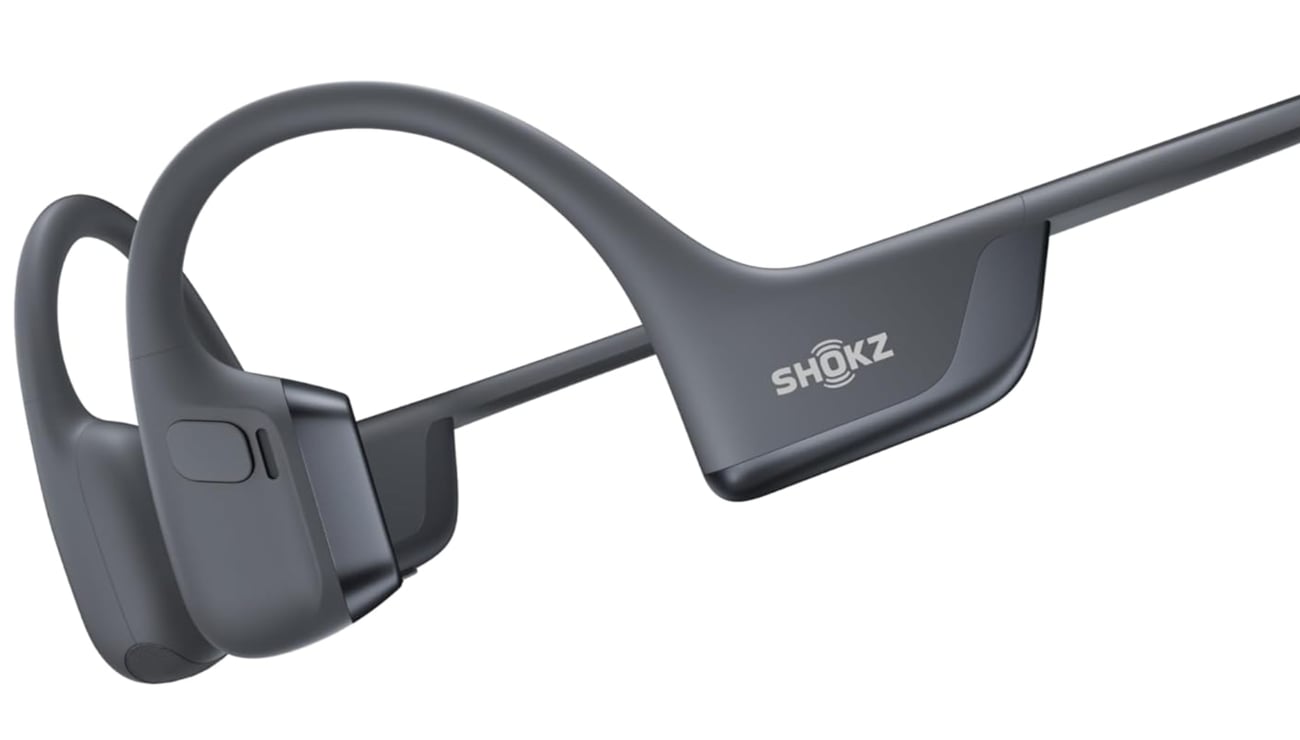
All image credits to Amazon,
Ever wanted those headphones that dont actually go in your ears. Well good news amazon has 20% off some good ones
Link here and check out our other deals too
And view our shop with our whole collection here
|
|
|
|
|
|
😅Meme/AI video of the week 😅 (the internet can be savage lol) |
 |
|
|
|
🌐Partner Events & Opportunties 🌐 |
|
Below are the top opportunities we want to highlight to you this week! If you want to see more, then check out our new website where we have a whole page dedicated to events and opportunities from us and our partners:
https://www.colorintech.org/events
|
|
|
|
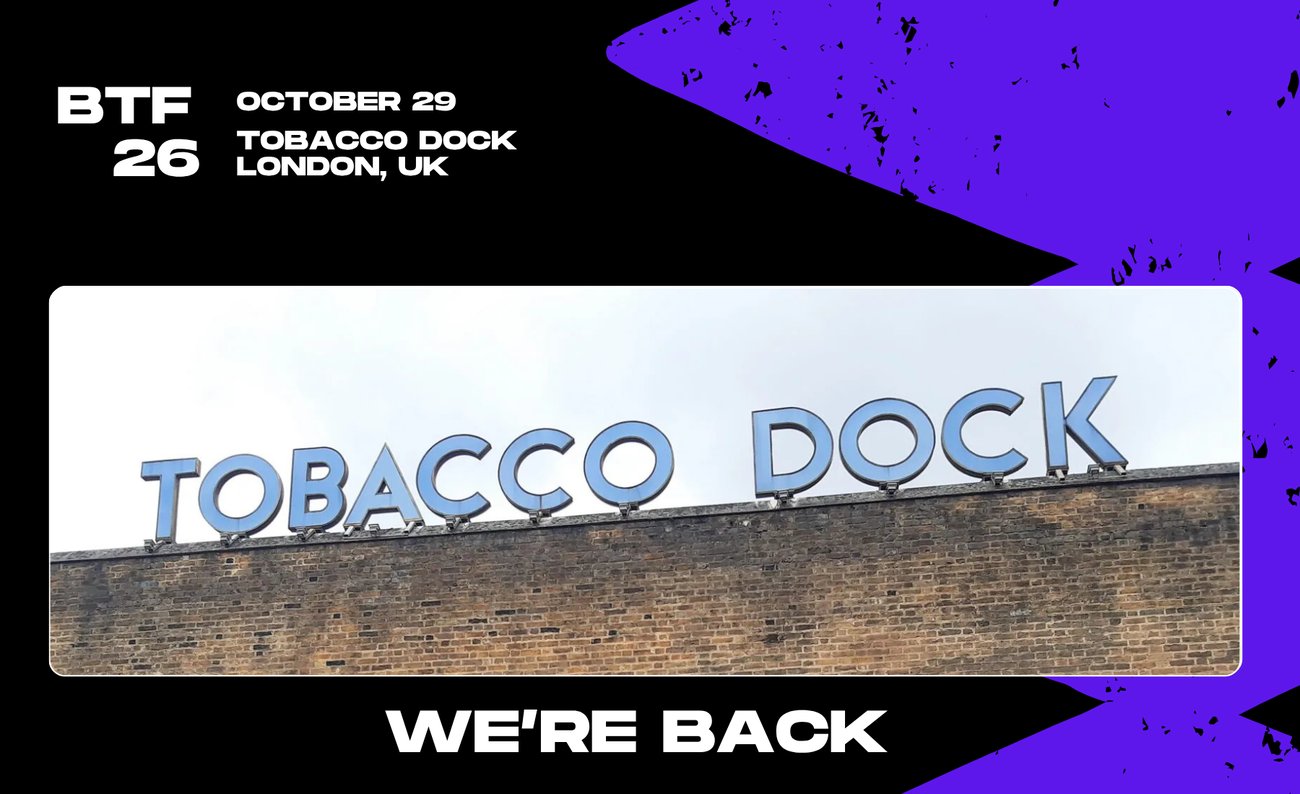
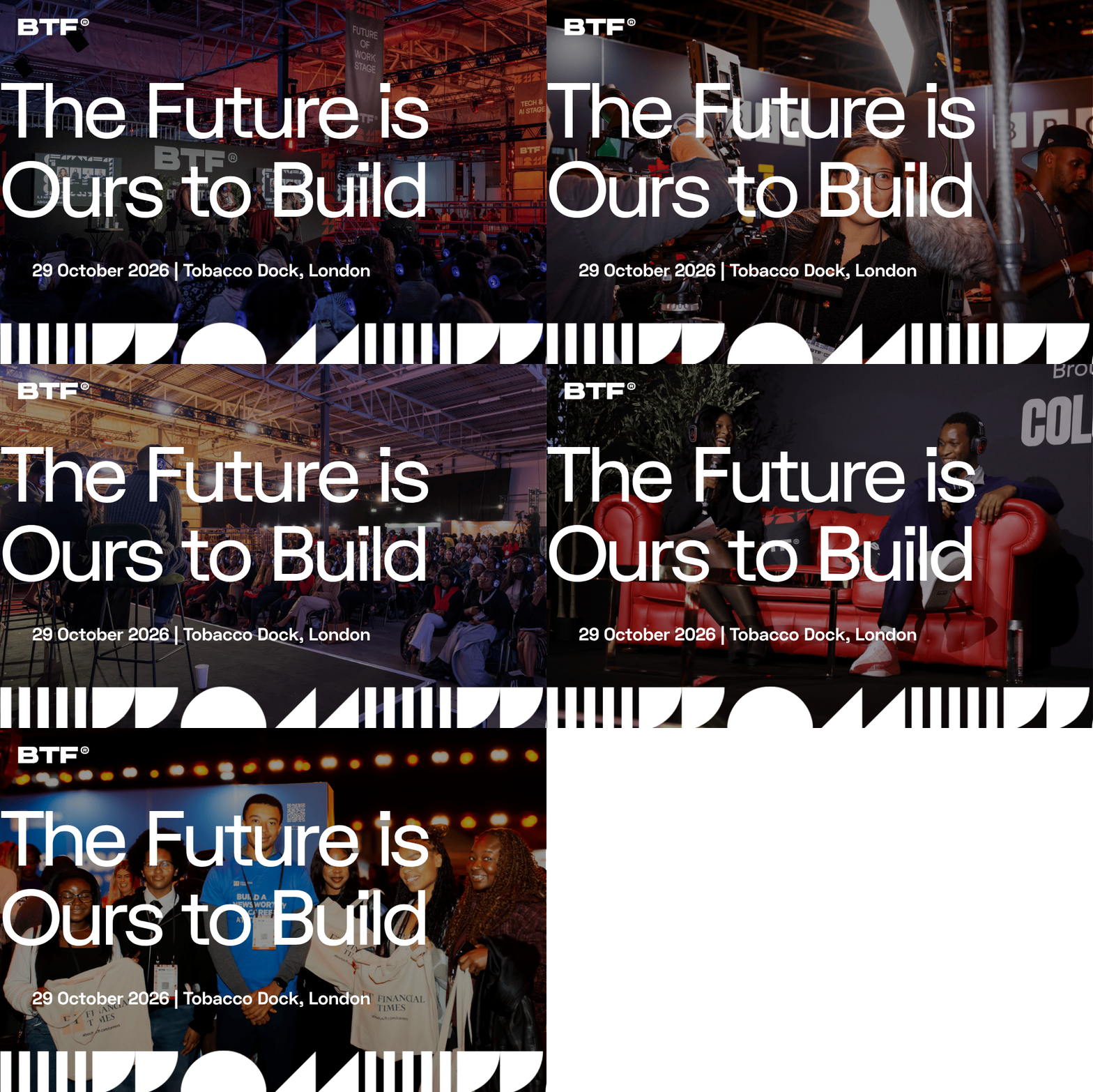
😃BTF is back😃
Yep we're going to call this the "best tech festival" is back
Check it out. Joinbtf.com
|
|
|
|
|
|
🙌🏾The latest from the Colorintech team🙌🏾 |
|
|
|
|
|
|