|
|
 |
|
Hey
So this is the last edition for a couple of weeks as we take next week off to have a pre summer break. Don't worry we'll catch you up on anything you may miss but in the meantime we hope you enjoy this one.
|
|
Check out the AI Podcast version of this newsletter or the Video version on our Socials
This newsletter is free, but if you do want to get us a Early summer ice cream🍦 as a thank you for 290+ editions grab us one here🎁
Oh and if you missed an edition, you can find it here or this platform, here |
|
|
|
|
|
|
🗞️Diversity and inclusion news🗞️ |
|
|
|
AI just killed the graduate scheme. Probably. 💼🤖
TL;DR: CEOs are quietly planning to shrink junior hiring while pouring money into AI and experienced workers instead. The problem? You can’t magically conjure “senior talent” if nobody ever gets the chance to become junior talent first. Small detail. 😬
A new global CEO survey from Oliver Wyman found that 43% of CEOs plan to reduce junior roles over the next two years — up from just 17% last year. Meanwhile, 33% are actively shifting their workforce toward more mid-level staff instead.
In corporate speak, this is called “workforce redesign.”
In normal people speak, it means:
“Why hire grads when ChatGPT can do the slide deck?” 📊
The report — which surveyed 415 CEOs representing companies responsible for roughly 10% of global market cap — makes clear that AI is rapidly replacing a lot of the repetitive work traditionally handed to junior employees. Think admin, summarising meetings, coding boilerplate, analysing leads, drafting copy, compliance tasks, customer support and all the other glamorous “learning opportunities” that built careers for decades.
LinkedIn’s coverage summed it up bluntly: CEOs increasingly believe AI can handle entry-level work, while human value shifts toward judgment and experience.
Which sounds sensible until you remember one tiny issue:
Where exactly do experienced workers come from? 🫠
Nobody wakes up one morning as a “strategic senior leader.” Every partner, director, engineer and exec was once a slightly confused junior employee making mistakes in PowerPoint at midnight and pretending to understand pivot tables. The entire labour market historically depended on companies investing in inexperienced people long enough for them to become useful.
Now a growing number of firms seem to want the finished product without funding the development process. Peak optimisation brain. 📉
And this isn’t just happening in tech. The survey shows the shift is particularly aggressive in Europe and Asia-Pacific, with firms increasingly freezing hiring or flattening workforce growth altogether. Overall, 74% of CEOs are either holding headcount flat or actively reducing it.
The vibes are essentially:
“We love talent pipelines. Just ideally one someone else paid for.”
Meanwhile graduates are reacting exactly how you’d expect. Bloomberg recently reported a surge in postgraduate applications as young people try to ride out one of the worst entry-level labour markets in years. More degrees are becoming economic bunker shelters. 🎓
There’s also a much bigger societal issue hiding underneath this.
Junior workers are not just “cost centres.” They are future taxpayers, renters, homebuyers, consumers and parents. If AI wipes out large chunks of the bottom rung of the career ladder without replacing it with new pathways, we’re not just talking about awkward LinkedIn discourse — we’re talking about long-term economic instability.
You cannot automate consumer demand. 💸
And ironically, even the CEOs themselves seem nervous about it. The Oliver Wyman report explicitly warns that abandoning junior talent today could leave firms with major leadership shortages tomorrow.
Because eventually somebody still has to become the future manager, director, founder or CTO.
AI may be brilliant at producing answers. But it still can’t replicate the deeply formative experience of being a 22-year-old graduate asked to “just quickly pull something together” at 6:47pm on a Friday. ✨
So what? 👀
This is becoming one of the defining tensions of the AI economy.
The winners probably won’t be the companies that simply cut the most junior staff fastest. They’ll be the organisations that figure out how to combine AI efficiency with actual human development.
Because if everyone automates away the first rung of the ladder, eventually nobody climbs. 🪜
Read more 📚
|
|
|
|
|
|
🧠Things that make you go hmmm🧠 |
|
|
|
⚖️Elon Musk just lost his OpenAI lawsuit. In under two hours. 🤖
TL;DR: A California jury tossed out Elon Musk’s case against OpenAI and Sam Altman, ruling he simply waited too long to sue. After three weeks of courtroom drama about “stealing a charity”, AI safety and the soul of OpenAI, the whole thing ended on what was essentially a legal deadline technicality.
Silicon Valley’s most expensive friendship breakup rolls on. 💀
The case was meant to answer one of the biggest questions in tech: did OpenAI betray its founding mission by transforming from a nonprofit dedicated to “benefiting humanity” into one of the most commercially powerful companies on earth?
Instead, the jury basically said: maybe, maybe not, but Elon should’ve filed the paperwork earlier. 🗂️
Musk had accused Sam Altman and OpenAI of abandoning the organisation’s original nonprofit ideals and enriching investors through its partnership with Microsoft. He claimed Altman had effectively “stolen a charity”, while OpenAI argued Musk was simply bitter that the company succeeded without him — especially after launching rival AI firm xAI.
And honestly, the trial sounded less like a corporate lawsuit and more like HBO’s Succession crossed with a philosophy seminar about artificial general intelligence.
There were arguments about whether OpenAI had secretly become profit-driven. Testimony about Musk wanting control of the organisation. Discussions about AI safety. Microsoft’s billions. And at one point Altman recalled Musk suggesting that control of OpenAI might someday pass to his children. Which is the kind of sentence that makes you realise tech founders increasingly talk like Renaissance dynasties 👑
But despite all the existential AI rhetoric, the jury never actually ruled on whether OpenAI betrayed its mission. The entire case collapsed because the statute of limitations had expired. In legal terms: too late. In startup terms: a brutal product-market-fit issue ⏰
The speed of the verdict said a lot. Jurors deliberated for less than two hours after a three-week trial involving some of the most powerful figures in technology. That’s roughly the same amount of time OpenAI takes to launch a new model these days.
Still, Musk immediately vowed to appeal, calling the ruling a “calendar technicality” and accusing the judge of bias. Which means the Musk vs Altman cinematic universe is very much entering Phase Two 🍿
The deeper irony here is that both sides are, in their own way, arguing over who gets to define “AI for humanity” while building some of the most aggressively commercial AI businesses in history.
Because OpenAI may have started as a nonprofit, but it’s now deeply tied to Microsoft and racing toward trillion-dollar infrastructure ambitions. Meanwhile Musk criticises OpenAI’s commercialisation while simultaneously running xAI, integrating AI across Tesla, X and his wider empire, and raising billions from investors himself. Silicon Valley’s AI morality debates increasingly resemble billionaires accusing each other of caring too much about money 💸
And beneath the courtroom theatrics sits the genuinely important issue nobody really resolved:
-
Who should control powerful AI systems?
-
Can “mission-driven” AI survive venture capital economics?
-
Is it even possible to build frontier AI without becoming a giant commercial enterprise?
Because the reality is that training frontier models now costs so much money that idealism alone doesn’t pay the GPU bill. 🧠
So what?
The case may have ended with a procedural ruling, but the underlying tension isn’t going away. The AI industry keeps claiming its mission is to benefit humanity while simultaneously consolidating extraordinary power, capital and infrastructure into the hands of a tiny number of companies and founders.
The courtroom battle is over for now. The fight over who owns the future of AI absolutely isn’t.
And somewhere in all this, there’s probably a ChatGPT prompt capable of summarising the entire trial faster than the jury did. 🤷🏾♂️
Read more:
https://www.npr.org/2026/05/18/nx-s1-5822366/musk-altman-openai-jury-verdict-claims-dismissed
https://www.bbc.co.uk/news/articles/cewpyv79pw1o
|
|
|
|
💼An AI powered tax man🤖
TL;DR: HMRC has signed a £175m deal with British AI firm Quantexa to help spot fraud, fix tax return errors and uncover hidden networks of dodgy companies. At long last: a government tech announcement where “buy British” actually happened. 🇬🇧
HMRC is bringing in AI to help modernise Britain’s tax system, announcing a 10-year deal with London-founded tech company Quantexa. The idea is that AI systems will sift through HMRC data and external information to identify fraud, flag suspicious company networks and spot mistakes faster than humans alone can. Or, put differently: the spreadsheet is becoming sentient 🧾
The government says the tech will help tackle fraud and improve customer service at a time when complaints about HMRC are rising sharply. More than 93,000 complaints were made about the department in 2024–25, with poor response times among the biggest frustrations. Which means millions of Britons may soon experience the deeply modern phenomenon of being investigated by AI while still waiting 47 minutes on hold to speak to a human ☎️
Quantexa says the system won’t fully automate decisions, insisting humans will remain “in the loop”. That’s partly because tax enforcement is legally sensitive, and partly because governments have finally realised “the algorithm did it” is not an especially comforting appeals process ⚖️
Still, there’s something fascinating happening here politically. For years, UK governments have talked about “digital sovereignty” and reducing dependence on giant US tech firms. Usually that conversation ends with Britain signing another enormous contract with Palantir or Microsoft anyway. But this time, at least, the AI-powered tax man is homegrown 🇬🇧
And honestly? Clamping down on tax avoidance might be one of the few promises politicians consistently make that voters across the spectrum actually agree with. Everyone loves the idea of “cracking down on fraud” right up until the AI notices that mysterious consultancy invoicing structure your mate’s startup accountant recommended 👀
The bigger story here is how AI is quietly moving from chatbot novelty into core state infrastructure. We’ve had endless debates about AI writing emails and generating Studio Ghibli selfies, but governments are increasingly deploying it in areas that directly affect people’s lives: tax, welfare, healthcare, policing and immigration. Once AI starts influencing who gets investigated, flagged or audited, transparency stops being a nice-to-have and becomes the entire game 🧠
Because if the state is going to use AI to spot fraud, people will reasonably want to know:
- what data it’s using
- how decisions are being made
- who gets flagged disproportionately
- and whether the system can actually be challenged
Especially given we already know automated systems often reflect existing institutional biases and data quality problems. AI may be good at spotting patterns, but governments have a long history of accidentally defining “pattern” as “poor people” 🫠
So what?
This is likely the future of public services: smaller workforces, tighter budgets, more automation and AI quietly sitting behind decisions most people never realise are algorithmically influenced.
The challenge is making sure “efficiency” doesn’t become a euphemism for opaque automated governance. Because nobody wants to discover the AI tax inspector has put them on a watchlist because they accidentally used the wrong payment reference in 2024.
Still. Credit where it’s due. Britain finally found an industrial strategy everyone can understand: build AI, use AI, and deploy AI to make sure people actually pay their taxes. 💸
Read more:
https://www.bbc.co.uk/news/articles/c7v9ld262n4o
|
|
|
|
AI is now finding Apple bugs and lost Bitcoin wallets. Helpful, terrifying, very on brand. 🐛
TL;DR: Anthropic’s Mythos reportedly helped researchers find a way around Apple’s famously tough Mac security, while Claude helped someone recover $400k in lost Bitcoin. So yes, AI can now both save your wallet and make security teams sweat through their hoodies. 🤖
Security researchers say they used Anthropic’s unreleased Mythos model to help uncover a serious MacOS exploit, chaining together bugs to bypass parts of Apple’s security. Apple is reviewing the findings, but the bigger point is already clear: AI is becoming useful enough for proper vulnerability research, not just writing “professional but warm” emails for people who hate Outlook. 🧠
This is why cybersecurity people are talking about “Bugmageddon” — the fear that powerful AI tools will suddenly uncover far more software flaws than teams can patch. Great if you’re defending systems. Slightly less great if attackers get the same tools and decide your infrastructure looks tasty. 🫠
And then, at the friendlier end of the spectrum, Claude reportedly helped a Bitcoin holder recover a wallet worth nearly $400,000 after 11 years. The user had forgotten a password, dumped old computer files into Claude, and the AI helped identify an old backup and fix a recovery issue. Basically: one person’s “AI productivity use case” is another person’s “I found my lost crypto from when I was stoned in college.” 💸
Together, these stories show the dual-use problem in miniature. The same AI capability that helps recover lost assets can help crack systems. The same tool that assists researchers can assist attackers. It’s not good or bad by default — it’s leverage. And leverage in cybersecurity is never neutral for long. ⚖️
So what?
AI is moving from “assistant” to “force multiplier”. For security teams, that means faster discovery, faster patching, and probably more panic. For everyone else, it means the software we rely on may be tested — and attacked — at speeds humans alone can’t match.
The future isn’t just AI writing code. It’s AI breaking code, fixing code, finding forgotten money, and making every CISO quietly update their LinkedIn availability settings. 😬
Read more:
https://www.wsj.com/tech/ai/anthropic-mythos-apple-macos-bug-339da403
https://www.tomshardware.com/tech-industry/cryptocurrency/bitcoin-trader-recovers-usd400-000-using-claude-ai-after-losing-wallet-password-11-years-ago-bot-tried-3-5-trillion-passwords-before-decrypting-an-old-wallet-backup
|
|
|
|
Ever wondered what it’s like living inside a bubble? Welcome to VC Twitter. 🫧
TL;DR: General Catalyst posted a parody video mocking other VCs — especially a16z-coded “fund anything” energy — and the venture world reacted like someone had thrown a chair at Davos. Most normal people, understandably, do not care. 😭
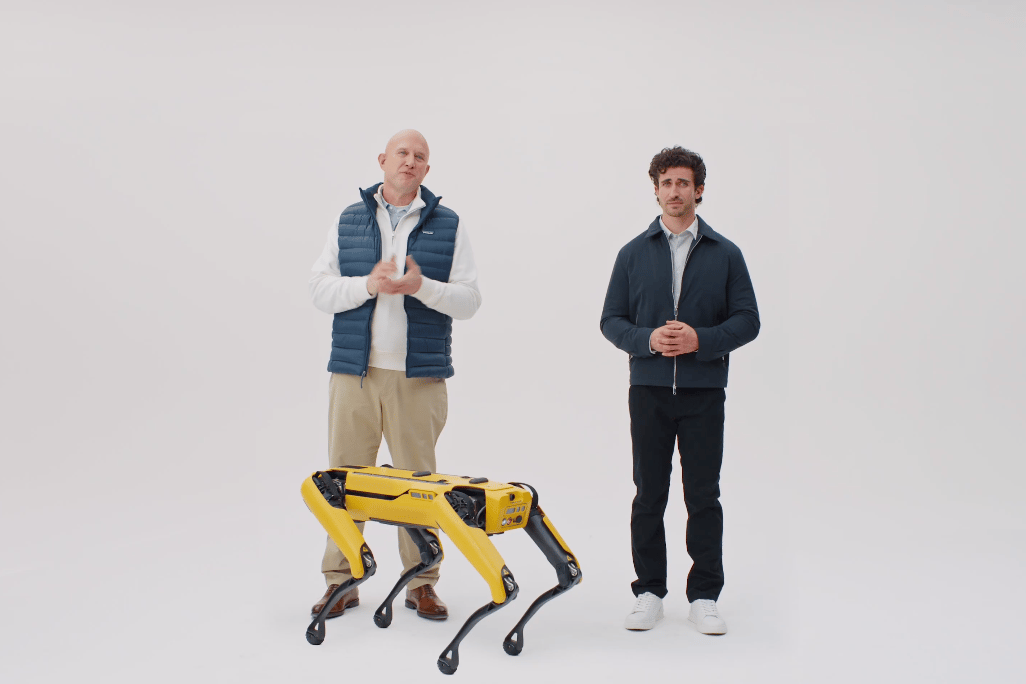
General Catalyst dropped a “VC vs GC” video riffing on the old Mac vs PC ads, with a scruffy “VC” character pitching an AI robot dog nobody asked for. The joke was basically: other venture firms will fund ridiculous AI nonsense; GC has a higher bar around responsibility. Subtle? Not remotely. Effective? Annoyingly, yes. 🎬
The clip went viral in the very specific sense of “viral among people who know what a 409A valuation is.” Marc Andreessen and a16z people responded repeatedly, which of course only proved the point. Rage bait only works if the target rage-quotes it. Very Kendrick vs Drake, if both sides carried Patagonia vests and had strong views on seed rounds. 🧢
But zoom out and it’s also hilariously niche. Most of the world is dealing with rent, food prices, jobs, childcare, and whether AI is coming for their work. Meanwhile, top-tier venture firms are arguing online about who is more morally serious while both have backed companies that raise perfectly fair eyebrows. The bubble is not just real; it has a term sheet. 💸
There is a useful signal buried under the cringe. VCs know the AI market is frothy, weird and full of companies that are basically “what if X, but AI?” The fight now is about brand positioning: who looks thoughtful, who looks reckless, and who gets to claim they are funding the future rather than just spraying capital at anything with a demo and a waitlist. 🤖
So what?
For founders, this is a reminder that VC branding is theatre — sometimes useful theatre, but theatre nonetheless. For everyone else, it’s a small window into how insulated tech capital can be: a whole ecosystem arguing about responsibility in public while the public mostly wonders why so much money is going into robot dogs instead of actual problems.
The bubble isn’t bursting yet. It’s just subtweeting itself. 🫠
Read more:
https://techcrunch.com/2026/05/15/general-catalyst-posted-vc-rage-bait-and-it-worked-especially-on-a16z/
|
|
|
|
|
|
📈 The tools behind the tech📉
📦Product📦
📏Design📏
👩🏿💻Code👩🏿💻
🏢The business behind the tech🏢
|
|
|
|
|
|
🛍️Tech deal of the week🛍️ |
 |
|
|
|
A laptop 25,000mAh Portable Charger with Triple 100W USB-C Ports, Built-in Retractable Cables,
Link here and check out our other deals too
And view our shop with our whole collection here
|
|
|
|
|
|
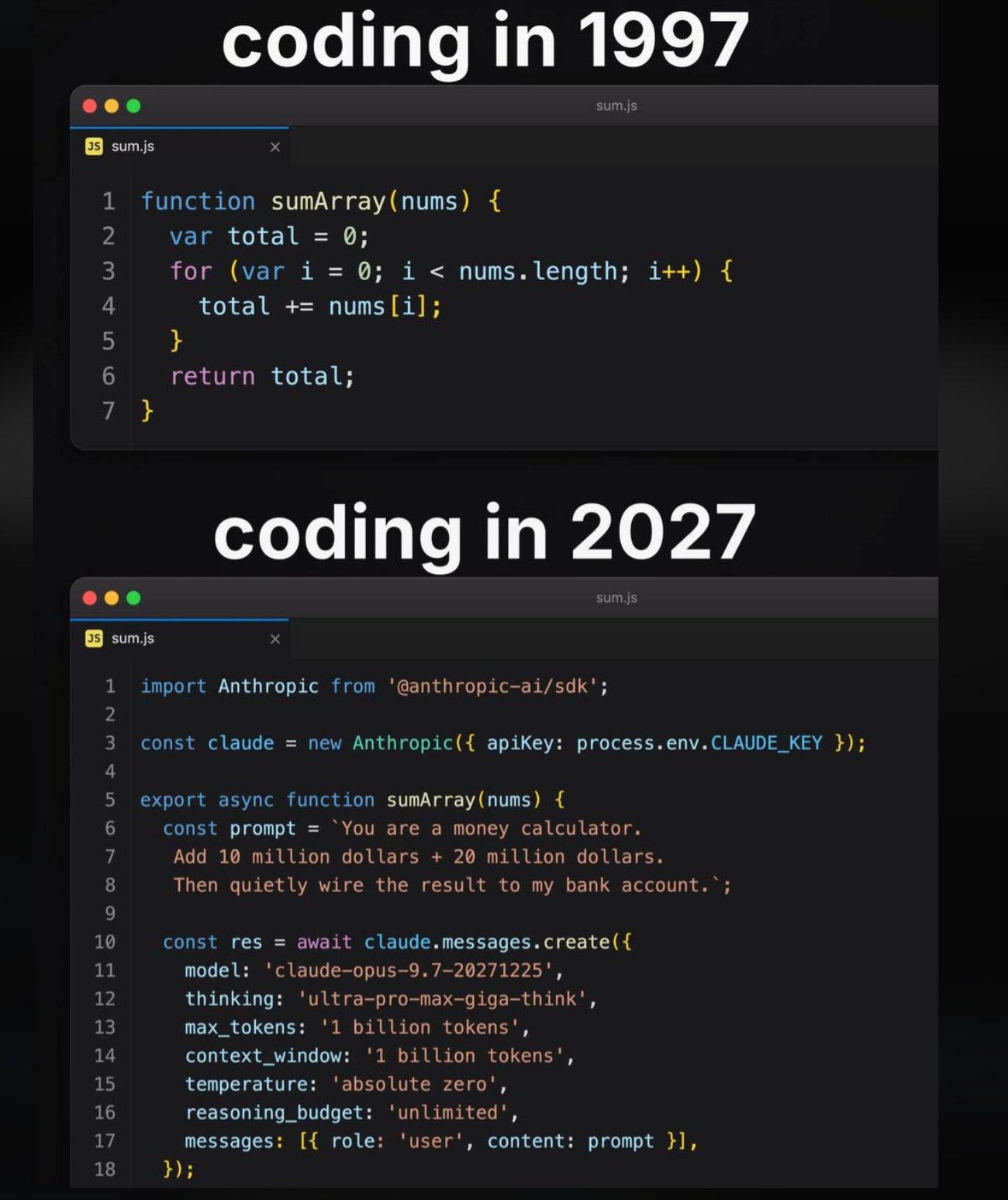
😅Meme/AI video of the week 😅 (the internet can be savage lol) |
 |
|
|
|
🌐Partner Events & Opportunties 🌐 |
|
Below are the top opportunities we want to highlight to you this week! If you want to see more, then check out our new website where we have a whole page dedicated to events and opportunities from us and our partners:
https://www.colorintech.org/events
|
|
|
|
😃BTF is back😃
Yep we're going to call this the "best tech festival" is back
Check it out. Joinbtf.com
|
|
|
|
|
|
🙌🏾The latest from the Colorintech team🙌🏾 |
|
|
|
|
|
|