Share

Free London tech week Tickets Inside + Palantir v London, Sexist CV's and Mega IPO's
 β€Œ β€Œ β€Œ β€Œ β€Œ β€Œ β€Œ β€Œ β€Œ β€Œ β€Œ β€Œ β€Œ β€Œ β€Œ β€Œ β€Œ β€Œ β€Œ β€Œ β€Œ β€Œ β€Œ β€Œ β€Œ β€Œ β€Œ β€Œ β€Œ β€Œ β€Œ β€Œ β€Œ β€Œ β€Œ β€Œ β€Œ β€Œ β€Œ β€Œ β€Œ β€Œ β€Œ β€Œ β€Œ β€Œ β€Œ β€Œ β€Œ β€Œ β€Œ β€Œ β€Œ β€Œ β€Œ β€Œ β€Œ β€Œ β€Œ β€Œ β€Œ β€Œ β€Œ β€Œ β€Œ β€Œ β€Œ β€Œ β€Œ β€Œ β€Œ β€Œ β€Œ β€Œ β€Œ β€Œ β€Œ β€Œ β€Œ β€Œ β€Œ β€Œ β€Œ β€Œ β€Œ β€Œ β€Œ β€Œ β€Œ β€Œ β€Œ β€Œ β€Œ β€Œ β€Œ β€Œ β€Œ β€Œ β€Œ β€Œ β€Œ β€Œ β€Œ β€Œ β€Œ β€Œ β€Œ β€Œ β€Œ β€Œ β€Œ β€Œ β€Œ β€Œ β€Œ β€Œ β€Œ β€Œ β€Œ β€Œ β€Œ β€Œ β€Œ β€Œ β€Œ β€Œ

Colorintech Weekly - 299

(View this version on the web)

Hey


Hey So after a week away we come bearing free gifts in the form of London Tech Week tickets,


London Tech Week 2026 is back, and we’ve secured 150 completely FREE passes just for the Colorintech community! We also have exclusive 25% discounts on Premium tickets to get you in front of 1,500+ investors and top global tech leaders and a couple of VIP ones to share too. Scroll down right now to claim your promo code before they are all gone!


Check out the AI Podcast version of this newsletter or the Video version on our Socials


This newsletter is free, but if you do want to get us a summer ice cream🍦 as a thank you for 290+ editions grab us one here🎁

Oh and if you missed an edition, you can find it here or this platform, here

πŸ—žοΈDiversity and inclusion newsπŸ—žοΈ

πŸ€–RIP The Internship? AI Just Ate the Bottom Rung of the Career Ladder πŸͺœ


TL;DR: Tech internship postings have fallen 30% since 2023 as companies increasingly use AI to do the busywork that interns traditionally handled. The problem? If nobody gets the entry-level experience, where exactly do tomorrow’s senior hires come from? 😬


For decades, the formula was simple.

Get internship.
Make PowerPoint.
Fetch coffee (occasionally).
Learn enough not to embarrass yourself in meetings.
Get grad job.

Repeat until LinkedIn says you're a "thought leader." πŸ’­

Now AI has entered the chat.


According to new data, tech internship postings have dropped 30% since 2023, while internships overall are down 11% year-on-year. Only 7% of new hires at major tech firms are recent graduates, down from 9.3% just three years ago.


Why?

Because the tasks companies used to hand to interns β€” research, scheduling, note-taking, first drafts, basic analysis and admin β€” are increasingly being handed to ChatGPT instead.

From a CFO's perspective, it's hard to argue with.

An intern requires:

  • Supervision
  • Training
  • Feedback
  • Management time
  • Patience

AI requires:

  • A corporate credit card

One of those is significantly cheaper.


As one marketing agency owner interviewed by Bloomberg put it, she used to manage up to eight interns. Then AI got good enough that much of the work simply disappeared.


For years graduates were told they needed experience to get a job.Now the jobs that gave them experience are being automated away.

It's the employment equivalent of being told you need swimming lessons while someone quietly removes the swimming pool. 🏊


Meanwhile, the jobs AI is creating look very different.

"Forward Deployed Engineers" are up 19x year-on-year. Claude Evangelists are earning six figures. Chief AI Officers can command close to half a million dollars annually.

The ladder hasn't disappeared.

Someone just removed the first few rungs.


The Editor Problem ✍️

There's another wrinkle here.

Many companies now want graduates who are already fluent in AI tools. McKinsey, for example, tests candidates on their ability to work with its AI assistant.

But there's growing concern that we're creating a generation who can generate content faster than they can evaluate it.

Researchers call this the "Editor Problem."

AI can write the report.

But do you know if it's nonsense?

Historically, internships taught that judgement. You learned by making mistakes under supervision. You learned how organisations actually work. You learned why the answer isn't always in the spreadsheet.

Unfortunately that's difficult to prompt-engineer.


So what? πŸ‘€

This is becoming one of the biggest contradictions in the AI labour market.

Every CEO says they want experienced talent.

Increasingly few seem interested in creating it.

The reality is that nobody starts their career as a director, partner, principal engineer or founder. Every senior person was once the annoying intern asking where the good biscuits were kept.

The companies that completely eliminate junior pathways may save money today.

But they're also quietly outsourcing the development of future talent to someone else.

And if everyone does that?

Well, good luck hiring senior staff in ten years.

AI might be replacing the intern.

But it still hasn't figured out how to manufacture experience. 🧠


Read more πŸ“š

  • AI is killing the summer internship. The entry-level pipeline that built careers is breaking.

πŸ’¬AI Bias Has Entered the Chat πŸ’¬πŸš©


TL;DR: Researchers gave people two identical AI-generated CVs. The only difference? One belonged to "James" and the other to "Emily". James was seen as resourceful. Emily was seen as untrustworthy. Apparently even when AI does the work, women still get marked down for it. πŸ€¦πŸΎβ€β™€οΈ

One of the biggest promises of AI was that it would level the playing field.

After all, algorithms don't care about your gender, background or accent.

Humans, unfortunately, still do.

A new study found that when participants were shown two identical AI-generated rΓ©sumΓ©s β€” one attributed to "James Clarke" and the other to "Emily Clarke" β€” they judged them very differently. Reviewers were 22% more likely to question Emily's trustworthiness and twice as likely to doubt her competence, despite the CVs being identical.

Same words. Same experience. Same AI assistance. Different assumptions.

James was described as someone who had simply used AI to help organise his thoughts. Emily, meanwhile, apparently couldn't write her own CV. πŸ™ƒ

One reviewer reportedly said: "He just needed a bit of help putting it together." Meanwhile, Emily received feedback along the lines of: "She can't even write a CV herself."

It's the perfect illustration of something many women in tech have been saying for years: technology doesn't automatically eliminate bias. Sometimes it just gives bias a shiny new interface.

The AI Gender Gap Is Becoming Real πŸ“Š

The findings help explain another trend researchers have been tracking. Women are adopting AI tools at significantly lower rates than men.

A Harvard Business School study previously estimated the gap at roughly 25%, with many women reporting concerns that using AI would make others question their expertise or competence.

Turns out they may not be imagining it.

The problem isn't simply access to AI. It's the social penalty attached to using it. If one group gets praised for being efficient while another gets accused of cheating, adoption rates were never going to be equal.

It's a bit like when a male founder is called "ambitious" and a female founder is called "aggressive". Same behaviour. Different narrative.

Even Gen Z Isn't Escaping This 😬

Perhaps the most surprising finding was who showed some of the strongest bias.

Not Boomers. Not Gen X. Not the people who still print boarding passes.

Gen Z men.

Among younger respondents, Emily's identical CV was 3.5 times more likely to be described as "weak" than James's. James, meanwhile, achieved an astonishing 97% approval rating.

Which is awkward for a generation that likes to think of itself as digitally native and bias-aware.

Apparently growing up with AI doesn't necessarily mean growing up without stereotypes.

So what? πŸ‘€

This story isn't really about CVs.

It's about who gets permission to use technology.

As AI becomes embedded into hiring, education and professional work, we're entering a world where using AI may become a basic expectation. But if people are judged differently for using the same tools, then the technology isn't creating a level playing field. It's potentially widening existing gaps.

The irony is that we're spending billions building AI systems designed to remove human inefficiencies. Meanwhile humans remain stubbornly committed to bringing their own biases along for the ride. πŸš—

Because it turns out the hardest thing to retrain isn't the model.

It's the user.

Read more πŸ“š

Fortune: AI-generated identical rΓ©sumΓ©s received different responses depending on whether the applicant was presented as a man or woman


🧠Things that make you go hmmm🧠

πŸ€–The $3 Trillion IPO Queue Is About To Test The AI Hype Machine πŸ“ˆ


TL;DR: Anthropic has reportedly hit a jaw-dropping $965 billion valuation, overtaking OpenAI and joining a growing queue of mega-companies preparing to hit public markets. With Anthropic, OpenAI and SpaceX all eyeing IPOs, investors could soon be asked to absorb more than $3 trillion of new stock market value. What could possibly go wrong?

For years, the biggest names in tech have stayed private, allowing venture capital firms and sovereign wealth funds to enjoy the upside while everyone else watched from the sidelines.


That may be about to change.

Anthropic has reportedly raised another $65 billion, pushing its valuation to $965 billion and making Claude's creator the most valuable AI startup in the world. Meanwhile, SpaceX has already filed for what could become the largest IPO in history, valuing the company at roughly $1.25 trillion and potentially making Elon Musk the world's first trillionaire.

OpenAI is widely expected to follow.

Together, these companies could inject more than $3 trillion of market value into public markets over the next few years.

Or put differently: we're about to find out whether public investors are as enthusiastic about AI as venture capitalists with someone else's money. πŸ’Έ


The Great AI Exit Strategy

There's another way to look at this.

For the past three years, investors have been pouring unprecedented sums into AI companies, often at valuations that would have sounded like satire in 2022.

Soon they'll need liquidity.

That's where public markets come in.

A successful IPO wave gives early investors a way to cash out, index funds a new set of mega-cap constituents, and retail investors the opportunity to finally buy into the companies they've spent years reading about.

The challenge is scale.

According to analysts, this could be one of the largest concentrations of IPO value ever to hit markets in such a short period. Some index providers are already exploring changes to inclusion rules because these companies could become major index constituents almost immediately.

Translation: your pension might end up owning Claude whether you want it to or not. πŸ“Š


Claude Is Printing Money...

To be fair, Anthropic isn't just raising money on promises.

The company reportedly hit an annualised revenue run-rate of $47 billion, driven by strong enterprise adoption of Claude, coding assistants and agentic AI tools.

That's helped create a fascinating split in the market.

Consumers still think ChatGPT when they think AI.

Businesses increasingly think Claude.

And investors appear willing to pay nearly a trillion dollars for that distinction.


...But Public Markets Ask Awkward Questions

Private markets reward potential.

Public markets eventually ask about profits.

Lots of profits.

History is littered with companies that looked unstoppable in private funding rounds before encountering the cold reality of quarterly earnings calls.

That doesn't mean Anthropic, OpenAI or SpaceX are doomed. Far from it.

But it does mean that the next phase of the AI boom will be less about demos, benchmarks and funding announcements, and more about proving these businesses can justify valuations larger than the GDP of many countries.


So what? πŸ‘€

The AI boom is entering a new chapter.

For years, the story has been about who can build the most powerful models. Soon it will be about who can build the most valuable public companies.

The irony? The same investors who've spent years telling us AI will transform everything are about to discover whether there's enough human demand to buy $3 trillion worth of AI stocks.

Because building the future is one thing.

Convincing the stock market to pay for it is another. 🎒


Read more πŸ“š

Anthropic valuation: https://www.msn.com/en-us/news/insight/anthropic-hits-965b-valuation-overtakes-openai-ahead-of-ipo/gm-GMCC83A56A?gemSnapshotKey=GMCC83A56A-snapshot-46&uxmode=ruby

SpaceX IPO filing: https://www.bbc.co.uk/news/articles/cg4pe2953q1o

Mega IPOs and index investors: https://www.morningstar.com/stocks/how-will-mega-ipos-change-face-us-stock-market

Why mega-cap IPOs matter: https://gfmag.com/news/mega-cap-ipo-index-investors/

πŸ“±Meta Wants You to Pay for Instagram. Because Apparently the Ads Weren't Enough. πŸ’Έ


TL;DR: Meta has officially launched paid subscriptions across Instagram, Facebook and WhatsApp, while preparing even more premium tiers for creators, businesses and AI users. The future of social media is looking a lot like cable TV: dozens of subscriptions, increasingly confusing bundles, and somehow still full of adverts. 🎬


For years, Meta's business model was beautifully simple:

You got free social media.

Meta got your attention.

Advertisers got your wallet.

Everyone understood the deal.

Now Meta wants a fourth revenue stream: your actual money too. πŸ’°


The company has officially launched Instagram Plus (Β£3.99/month equivalent), Facebook Plus (Β£3.99/month), and WhatsApp Plus (Β£2.99/month) globally, offering subscribers extra features ranging from profile customisation and premium reactions to audience analytics and enhanced messaging tools.

On the surface, these features sound fairly harmless.

Custom fonts.
Premium stickers.
Extra pinned chats.
Fancy profile tweaks.

The sort of thing that would have been a Tumblr feature in 2013 and somehow now costs £4 a month. 🎨

But that's not the interesting bit.

The interesting bit is what's coming next.


Meta's Real Product Isn't Instagram Anymore πŸ€–

Alongside the social subscriptions, Meta is launching Meta One, a growing collection of premium products that will eventually include AI subscriptions, creator plans and business services.

There will be:

  • Meta One Plus ($7.99/month)

  • Meta One Premium ($19.99/month)

  • Creator plans

  • Business plans

  • AI-powered plans

  • AI glasses benefits

At this point Meta's pricing strategy is starting to resemble airport lounge memberships.

Nobody really knows which tier they need, but there are definitely more tiers coming. ✈️

The AI subscriptions are particularly revealing.

Premium users will get access to deeper reasoning models, more image generation, more video generation and higher usage limits.

Translation:

The AI wars have officially entered the "please subscribe" phase.

OpenAI has ChatGPT Plus.

Anthropic has Claude Pro.

Google has Gemini Advanced.

Now Meta wants its slice too.


The Creator Economy Paywall Arrives πŸ“ˆ

Perhaps the most significant change is for creators.

Meta's more expensive plans promise higher visibility in feeds, priority search placement, automated follow invitations, enhanced analytics and tools designed to help creators grow audiences.

Which raises an awkward question.

If you have to pay Meta to get discovered on a platform where you've already built an audience...

...is that a creator tool or a protection racket? πŸ‘€

The risk is that social media increasingly becomes pay-to-play.

Not unlike LinkedIn Premium, where everyone swears it's essential while secretly wondering whether they're just paying to feel productive.


So what? πŸ€”

This isn't really a story about subscriptions.

It's a story about growth.

Meta already has billions of users. There aren't many new humans left to sign up.

When you've effectively conquered the internet, the only remaining strategy is convincing existing users to spend more.

So the future Meta is building looks something like:

  • Ads

  • Subscription fees

  • Creator services

  • AI subscriptions

  • Hardware subscriptions

  • Business tools

The irony?

For years social media companies mocked cable TV.

Now they're slowly rebuilding it, one subscription tier at a time. πŸ“Ί

And somewhere in Menlo Park, an executive is probably working on Meta One Premium Plus Ultra Max as we speak.


So what πŸ‘€

This is another sign that AI may finally be becoming a real business rather than just a very expensive science project.

For two years the industry has focused on user growth.

Now everyone's looking for recurring revenue.

The question is no longer whether people will use AI.

It's whether they'll pay for it.

Meta clearly thinks the answer is yes.

We're about to find out whether users agree. πŸ’³πŸ€–


Read more πŸ“š.

https://techcrunch.com/2026/05/27/meta-officially-launches-instagram-facebook-and-whatsapp-subscriptions-with-more-to-come-including-ai-plans/


βš½πŸŽ™οΈπŸ’°A New VC Enters The Chat βš½πŸŽ™οΈπŸ’°


TL;DR: Gary Lineker's podcast empire, Goalhanger, has launched a venture arm to invest in creator-led media businesses. Translation: after years of VCs telling creators they're the future, creators are now becoming the VCs. 🎀

Remember when everyone said "content creator" wasn't a real job?


Well, one of Britain's biggest creator businesses has just launched a venture fund.

Goalhanger β€” the media company behind The Rest is Politics, The Rest is History, The Rest is Football and a growing collection of podcasts your LinkedIn feed insists are "essential listening" β€” has launched Goalhanger Ventures, a new investment arm backing creator-led media businesses. ⚽

Its first bets are exactly what you'd expect.

One is Invisible Media, a YouTube channel making explainer videos about economics and finance. The other is Backyard Cricket, a creator brand started by two brothers filming cricket videos in their garden during lockdown.

Ten years ago these might have been hobbies.

Today they're investable assets.


The Creator Economy Grows Up 🎬

For years, the venture capital playbook was simple:

Invest in software.
Ignore media.
Hope for recurring revenue.

But creator businesses are increasingly looking a lot like startups.

They have audiences, distribution, subscriptions, merchandise, sponsorships, events and increasingly direct relationships with customers. Some creator businesses now generate revenues that rival traditional media companies while operating with a fraction of the headcount.

Goalhanger itself claims over 70 million monthly episode views and more than 250,000 paying subscribers across its network.

Not bad for an industry many investors once dismissed as "just content."


The UK's Most Interesting Media Startup? πŸ‡¬πŸ‡§

There's a bigger story here too.

While much of the UK startup ecosystem remains obsessed with becoming the next Silicon Valley success story, Goalhanger has quietly built something different: a profitable media business with genuine global reach.

No AI wrapper.

No crypto pivot.

No promises to disrupt toothpaste using machine learning.

Just audiences who keep showing up.

The Netflix deal for The Rest is Football during the World Cup was another signal that creator-led media is increasingly competing with traditional broadcasters rather than simply complementing them.


So What? πŸ‘€

This isn't really a story about Gary Lineker.

It's a story about where value is moving.

For years VCs funded platforms while creators supplied the content. YouTube won. Instagram won. TikTok won.

Now some of the biggest creator businesses have reached enough scale to start investing themselves.

The irony is that after a decade of hearing that media businesses don't scale, one of the UK's fastest-growing media companies has launched a venture fund while many traditional VC-backed startups are busy trying to figure out profitability.

Turns out owning the audience may have been the moat all along. 🎯

And perhaps the most British part of this story?

The country's newest venture capitalist isn't a former banker, a Stanford dropout or an ex-Palantir employee.

It's Gary Lineker. βš½πŸ˜‚


Read more πŸ“š

Tech.eu: Gary Lineker's Goalhanger launches venture capital arm to back creator-led media businesses

ion-passwords-before-decrypting-an-old-wallet-backup


Palantir vs City Hall: The Β£50m AI culture war Fight πŸš”πŸ€–


TL;DR: The Met Police wanted to spend up to £50m on Palantir's software to help tackle crime, corruption and investigations. Sadiq Khan's office blocked the deal, citing procurement concerns and value for money. Palantir says criminals are celebrating. Critics say taxpayers might be. Welcome to Britain's latest AI culture war. 🍿

For a government obsessed with AI adoption, this is an awkward one.

The Metropolitan Police wanted to sign a contract worth up to Β£50m with Palantir, the controversial US data analytics giant already embedded across parts of the NHS, Ministry of Defence and other public bodies.

Instead, London's Deputy Mayor for Policing blocked it.

Not because the software didn't work.

Not because AI is dangerous.

But because City Hall wasn't convinced the Met had properly demonstrated value for money or followed the right procurement process. πŸ’Έ

The Palantir Problem πŸ‡ΊπŸ‡Έ

If you've never heard of Palantir, think of them as the company governments call when they have vast amounts of messy data and want answers quickly.

The firm's software is used by military organisations, intelligence agencies, hospitals and police forces around the world.

Supporters say it's one of the most powerful analytics platforms available.

Critics point to its work with US immigration enforcement, military contracts and founder Peter Thiel's politics as reasons for caution.

That's why this row is fascinating.

Officially, City Hall says ethics weren't the reason for blocking the deal because procurement law doesn't allow that.

Unofficially? They spent a surprising amount of time talking about ethics. πŸ‘€

The Real Fight Is Procurement βš–οΈ

According to MOPAC, the Met only seriously explored one supplier: Palantir.

Officials also argued the force failed to properly seek approval for its procurement strategy and questioned whether the Β£50m price tag could be funded without putting pressure on other budgets.

In bureaucratic terms, this is the equivalent of being told: "Your homework might be right, but you've shown none of the working."

Palantir and the Met aren't happy.

The force says the technology is crucial if it's going to maintain services while cutting over 1,000 roles due to funding pressures.

Palantir's UK chief Louis Mosley went even further, accusing the Mayor of putting "politics over public safety" and arguing the decision gives criminals and hostile states an advantage. 🎯

British AI Nationalism Has Entered The Chat πŸ‡¬πŸ‡§

There's another layer here.

The government keeps talking about AI sovereignty and reducing dependence on foreign tech giants.

Yet when one of Britain's biggest public-sector AI contracts comes up, the frontrunner is an American company.

Business Secretary Peter Kyle's response was telling. Rather than defending Palantir, he argued Britain needs more domestic AI companies capable of delivering these kinds of systems.

Translation: we'd quite like to buy British, but currently there aren't many British firms offering the same thing at this scale.

It's the AI equivalent of wanting to shop local but ending up at Amazon.

So what? πŸ€”

This story isn't really about Palantir.

It's about a question every government is going to face over the next decade:

How much should public bodies rely on powerful AI vendors?

The Met argues that better technology helps catch criminals, reduce costs and compensate for shrinking budgets.

Critics argue governments risk becoming dependent on a handful of giant technology providers with limited competition and limited accountability.

The irony is that both sides are probably right.

Palantir's software may well deliver huge operational benefits.

But if the UK's AI future depends entirely on buying expensive American platforms, "AI sovereignty" starts to sound a lot like renting someone else's intelligence infrastructure.

And somewhere in Silicon Valley, Peter Thiel is probably wondering how his company became the latest battleground in London's local politics. 🍿

Read more πŸ“š

BBC: Metropolitan Police blocked from signing Β£50m Palantir contract after City Hall intervention

BBC: Palantir chief accuses Sadiq Khan of putting politics over public safety in contract dispute


πŸ‘©πŸΏβ€πŸ’»For the creatorsπŸ‘©πŸΏβ€πŸ’»

πŸ“ˆ The tools behind the techπŸ“‰

πŸ“¦ProductπŸ“¦

πŸ“DesignπŸ“ 

πŸ‘©πŸΏβ€πŸ’»CodeπŸ‘©πŸΏβ€πŸ’»

🏒The business behind the tech🏒

πŸ›οΈTech deal of the weekπŸ›οΈ

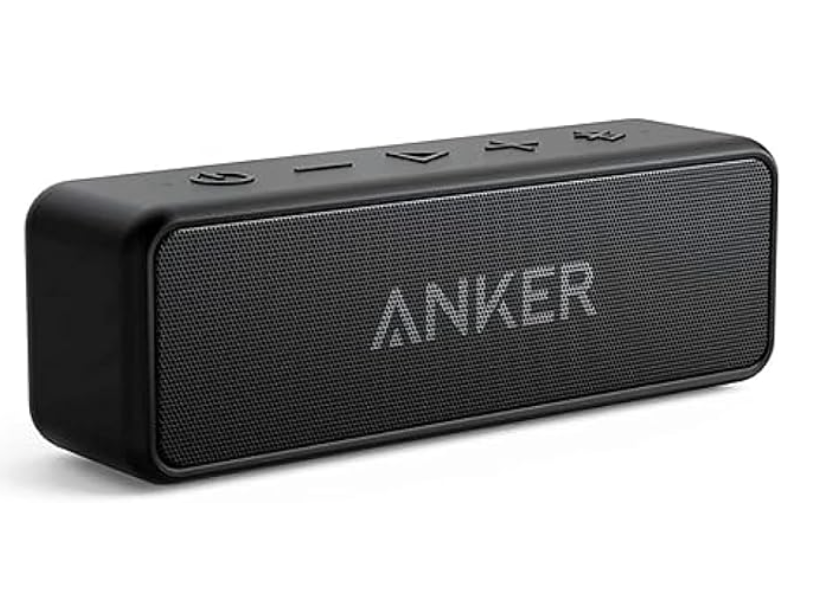
So the sun was out and y'all were probably sat in ap ark listening to some tunes as the days drifted by. Well we saw this portable speaker with ~20% off so if you don't have one maybe this is the sign


Link here and check out our other deals too


And view our shop with our whole collection here


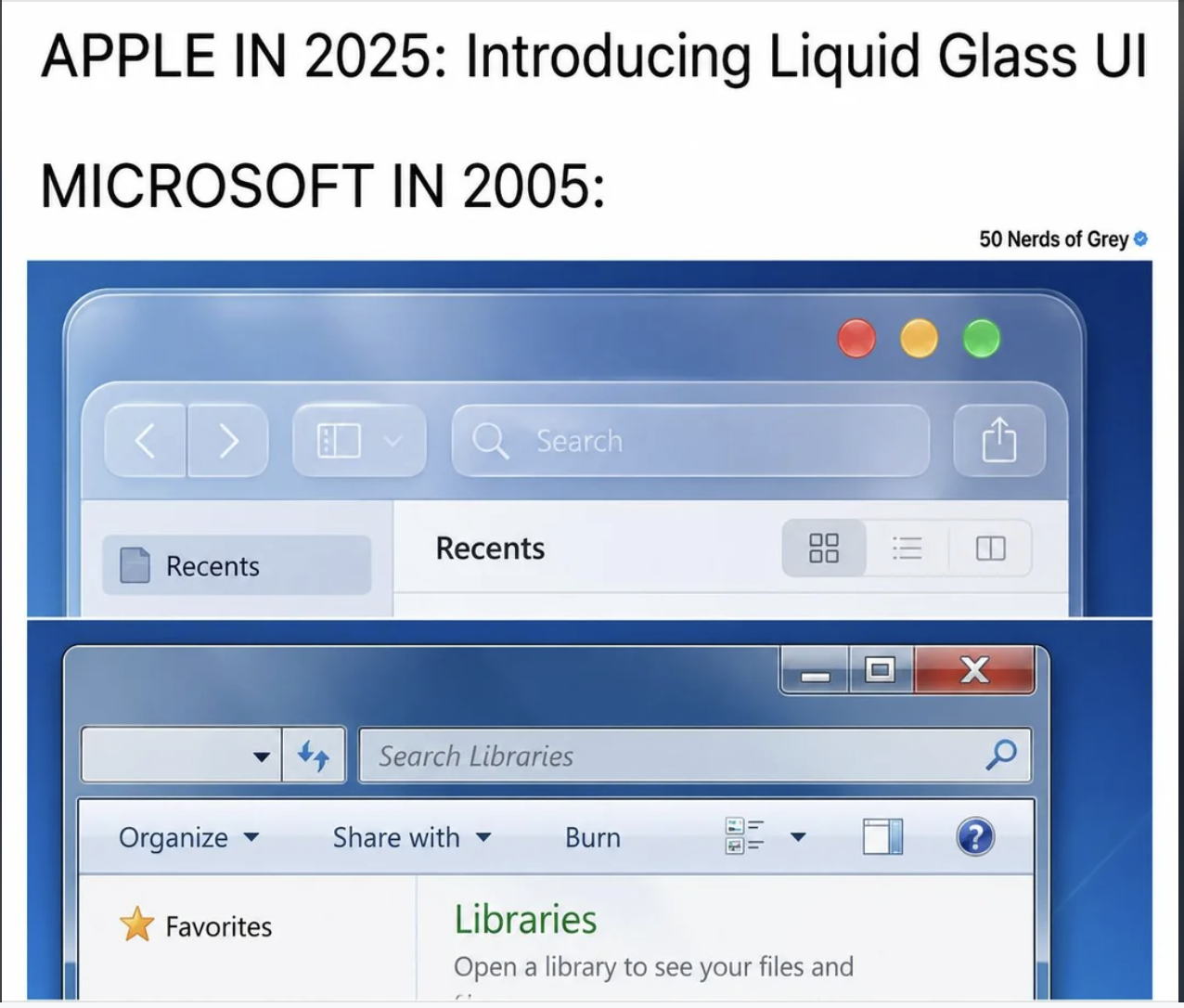
πŸ˜…Meme/AI video of the week πŸ˜… (the internet can be savage lol)

🌐Partner Events & Opportunties 🌐

Below are the top opportunities we want to highlight to you this week! If you want to see more, then check out our new website where we have a whole page dedicated to events and opportunities from us and our partners:


https://www.colorintech.org/events

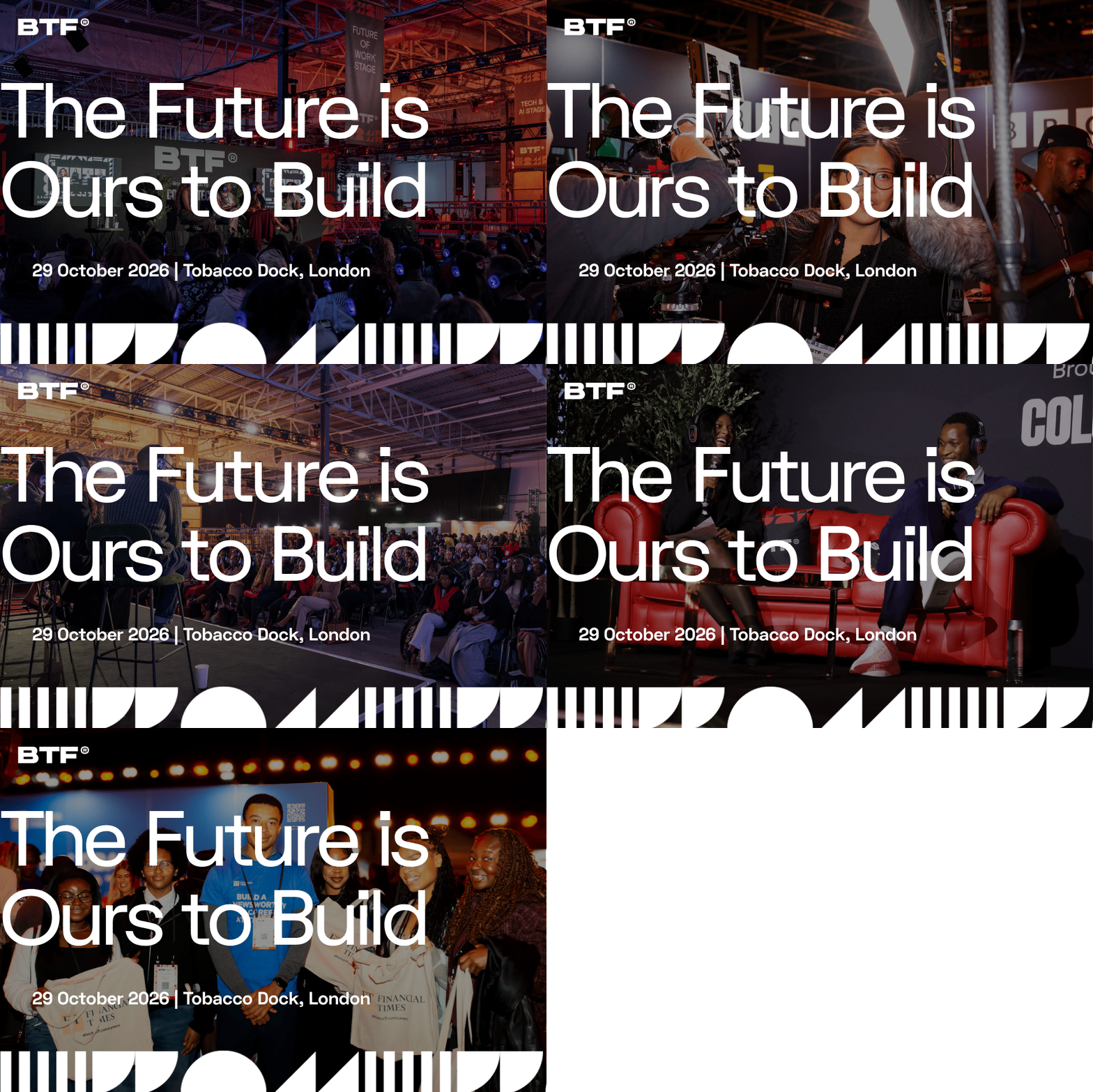
πŸ˜ƒBTF is backπŸ˜ƒ


Yep we're going to call this the "best tech festival" is back

  • October 29th 

  • New venue, Tobacco Docks

  • Early bird price tickets (the same as last year)

Check it out. Joinbtf.com


London Tech Week is BACKβ€”And We’ve Got Your Free Passes! πŸš€

The UK’s biggest tech celebration is returning, and you already know Colorintech is making sure our community is right at the center of it.


London Tech Week 2026 is taking over Olympia London from June 8–12. We are talking about 30,000+ attendees, including over 1,500 investors, 8,250+ startups and scaleups, and the global policymakers driving the future of tech. Whether you are looking to secure funding, scale your business, or dive deep into AI and deep tech, this is where you need to be.

Because you are part of the CIT / BTF family, we’ve locked in some exclusive perks to get you into the room. Check out your options belowβ€”but move fast, because these will go quickly!


🎟️ Option 1: 100% FREE General Standard Passes (150 available)

We have 150 complimentary General Standard passes up for grabs for our community members.

  • Your Code: BTF100

  • The Fine Print: Only eligible for General Standard passes. Make sure you enter the code in ALL CAPS.

πŸ’Ž Option 2: 25% OFF General Premium Passes (100 available)


Want to upgrade your experience? We’ve secured a 25% discount on General Premium passes for 100 of our members, giving you extra leverage for 1:1 networking and curated industry access.

  • Your Code: 25OFFBTF

  • The Fine Print: Only applicable to General Premium passes. Make sure you enter the code in ALL CAPS.

How to Lock in Your Spot:

  1. Head over to the [Ticket Page] (Use the personal link sent to your email to apply the community codes).

  2. Choose your tier (Standard or Premium) and apply your code at checkout.

  3. Start planning your week!


πŸ™ŒπŸΎThe latest from the Colorintech teamπŸ™ŒπŸΎ

πŸ˜ƒWhat we are consumingπŸ˜ƒ


🎧Your entire Spotify history

😱Growing anti AI sentiment

🚜Softbank will build French data centres

πŸ€–Humanoid robots for car manufacturing

πŸ–₯️Youtube will flag AI content

πŸ“ˆPolymarket insider trading

πŸ™„Who you know is back in fashion


Email Marketing by ActiveCampaign