|
|
|
|
|
|
|
🗞️Diversity and inclusion news🗞️ |
|
|
|
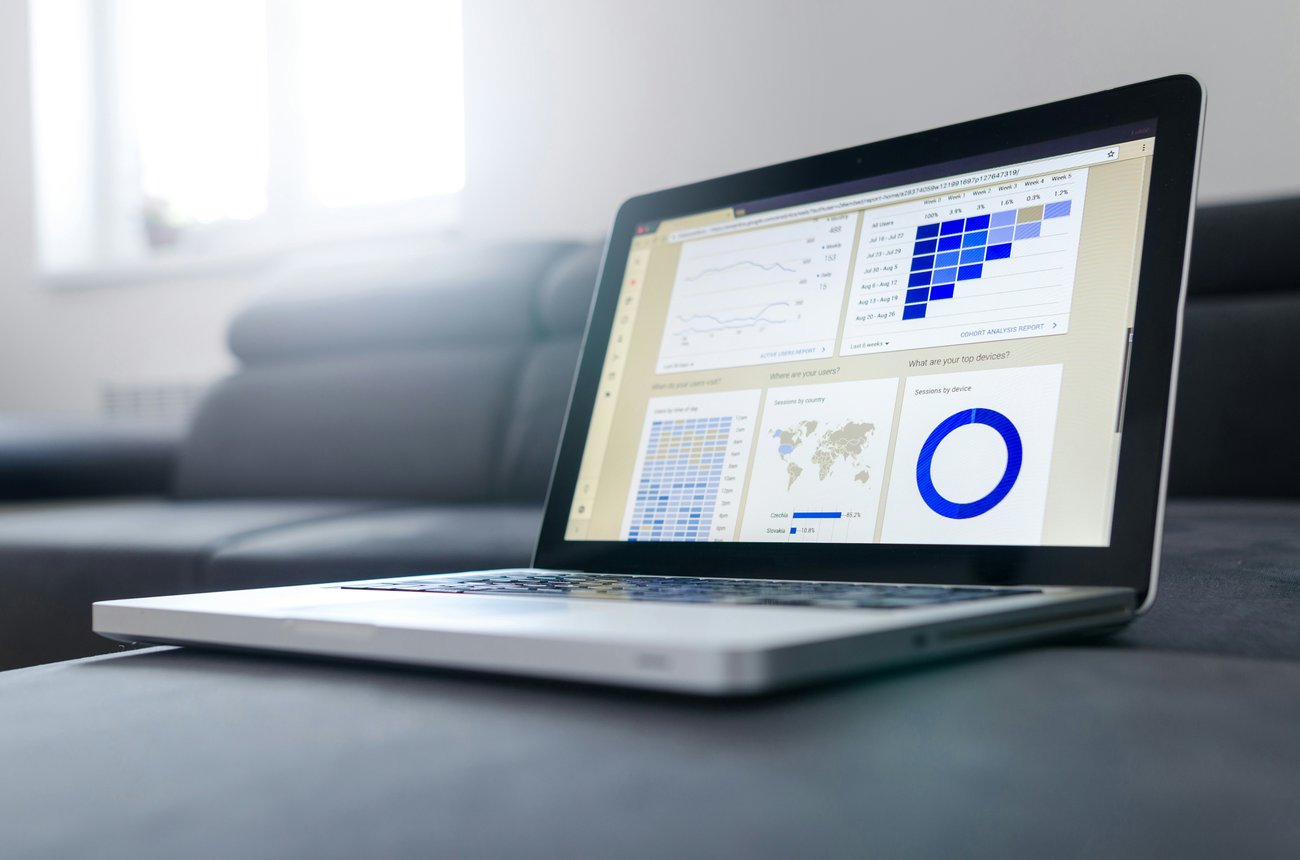
📊 AI makes you work harder
TL;DR: Tech leaders have spent years telling us AI will make us so productive we'll all work less. Meanwhile, employees actually building the technology say they're working 70, 80 and sometimes 90-hour weeks. Apparently the productivity revolution starts with... working twice as much. 🫠
OpenAI has even encouraged companies to experiment with a four-day working week, arguing AI could make people productive enough to get the same work done in less time. Small snag: a former OpenAI employee told the BBC that, while they were there, OpenAI itself hadn't trialled one. Instead, they described 70-hour weeks, weekend work, crisis meetings and "super cut-throat" performance reviews. 😬
And it's not just OpenAI. Workers told the BBC that "sprints" at OpenAI and Anthropic can stretch across weeks and reach 90 hours in seven days. At Meta, some employees say they've effectively been "drafted" onto urgent AI projects, working nights and weekends with little choice over the move. Nothing screams AI will free humanity from work quite like checking Slack at 11pm on Sunday. 💻🔥
The more interesting bit, though, is that this might not just be Silicon Valley being Silicon Valley. Research following hundreds of tech workers using AI found they worked faster, took on more tasks and extended work into more hours of the day. AI saved time; organisations promptly filled that time with more work. ⏰📈
🧠 So what?
There's a pretty important lesson here for everyone being told AI will magically create a four-day week: productivity gains don't automatically become leisure. They can just as easily become higher expectations. 🤷🏾♂️
If AI lets one person do the work of two, employers have choices. They can let that person work less. They can employ fewer people. Or they can ask that person to produce twice as much. Judging by what appears to be happening inside some of the companies building AI, we may have an early indication of which option businesses find most tempting. 👀
The irony is delicious. We're building machines that can apparently work seven hours autonomously so that humans can finally spend 14 hours a day supervising them. Welcome to the future of work. 🤖☕
🔗 Read more: BBC – Tech leaders say AI means less work – their staff say they work up to 90 hours a week |
|
|
|
|
|
🧠Things that make you go hmmm🧠 |
|
|
|
🤖 Zuks super manifesto
TL;DR: We'd give it a C- (Hardly balanced or evaluative)
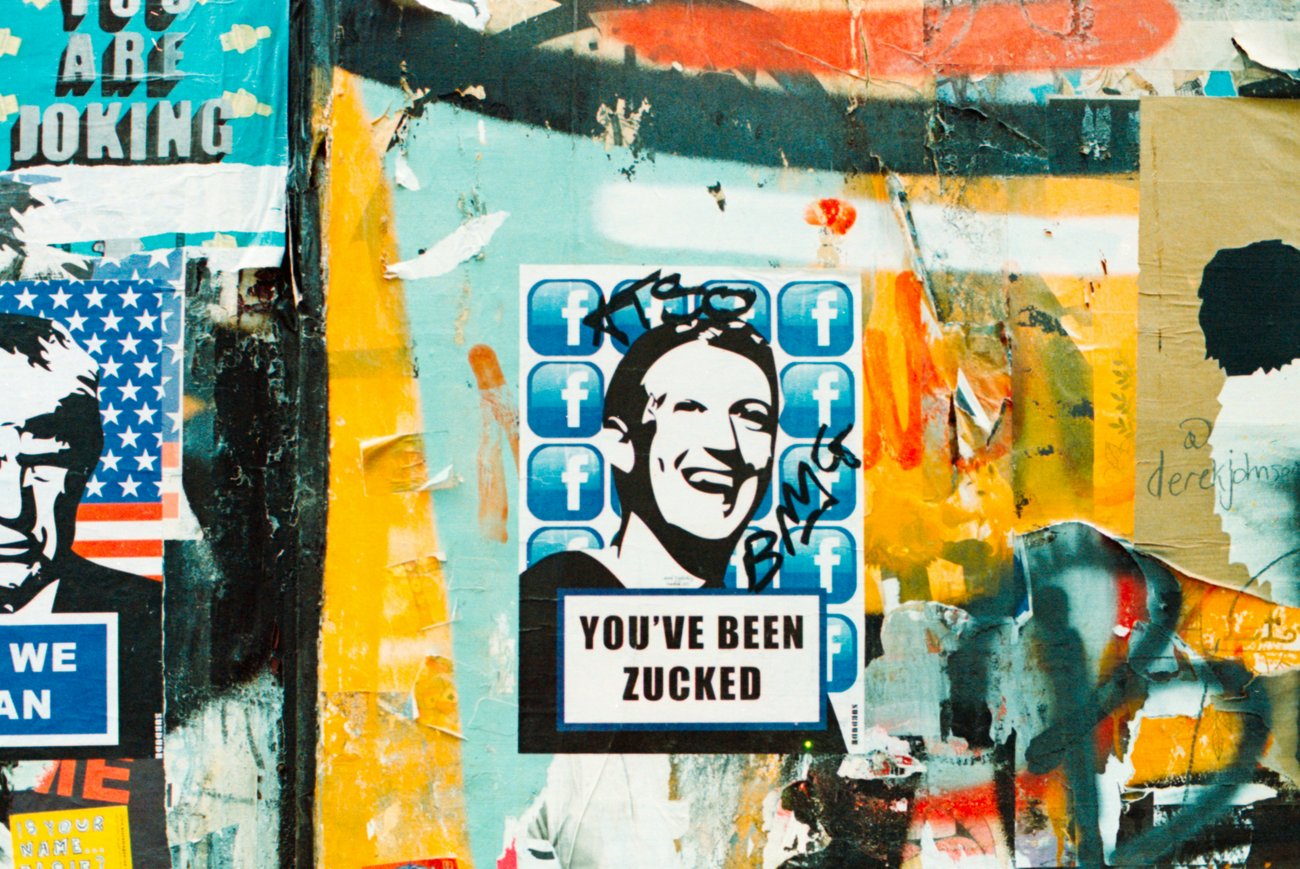
Mark Zuckerberg has published a casual 6,500-word manifesto arguing that the best way to make AI safe and beneficial is to put superintelligence in everyone’s hands. Powerful technology distributed to billions of people, removing gatekeepers, empowering individuals and letting society work out the consequences along the way. Mark. We have literally done this with you before. 📱
What happened? Zuckerberg’s vision is for “personal superintelligence”: AI powerful enough to become your tutor, lawyer, coach, business partner and general intellectual sidekick. More importantly, he thinks one of AI’s biggest dangers is actually too little access particularly if governments or a handful of companies control the most powerful models. 🤖 (Remind us who is buying all the chips, using all of the water or energy again👀)
Zuk argues “The best and most realistic path to building a positive AI future is by delivering superintelligence to everyone,” the theory being that putting powerful tools into everybody’s hands empowers individuals, competing interests check each other, and society ultimately benefits. Which sounds suspiciously like the original pitch for social media: connect everyone, democratise information, give everyone a voice, remove the gatekeepers and watch humanity flourish. How did that one go again? 👀
To be fair, Zuk isn't bold enough to pretending there are zero risks (That's more Elon's bag). But his optimism produces some wonderfully familiar examples. Every student gets a PhD-level AI tutorm, conveniently overlooking that students have already discovered another innovative application called “do my homework for me.” Everyone gets a superintelligent lawyer, theoretically democratising access to justice, although giving everyone the ability to generate industrial quantities of legal paperwork could also make the legal system grind to a hault and look like your spam folder. 🎓
Then there are jobs. Mark Zuk argues AI doesn't necessarily have to automate work faster than it increases what humans can do. He predicts that “small numbers of people with personal superintelligence agents” could eventually run companies at significant scale. That could genuinely be transformative for entrepreneurs and the VC's that back them, although “more companies, fewer employees” may sound slightly different depending on whether you're the founder or the soon to be unemployeed employee. 💼
🧠 So what? There is actually an important argument underneath the Mark discovers technological optimism again bit. Zuckerberg is asking a different question from much of the AI-safety debate. Instead of simply asking “How powerful should AI be allowed to become?”, he's asking “Who should be allowed to have that power?” 🌍
And he has a point. A world where superintelligent systems are controlled by three companies and a couple of governments isn't obviously preferable. But social media gave us a rather useful case study in why access and empowerment aren't the same thing. Billions gained the ability to publish, create and communicate, but power still accumulated around the platforms controlling the algorithms, advertising, data and distribution. 📲
AI could repeat that pattern. Everyone might technically have an AI agent, while the real advantages accrue to whoever has the best compute, proprietary data, distribution, capital and skills. Giving everybody access to a technology doesn't automatically distribute the economic power created by it. ⚖️
And perhaps that is the lesson worth carrying over from social media. The choice doesn't have to be between “five companies control everything” and “give it to several billion people and see what happens.” We can think about the consequences before they become the subject of congressional hearings, billion-dollar fines and documentaries explaining that nobody could possibly have seen any of this coming. 😬
Zuckerberg's pitch is ultimately that putting transformative technology into everyone's hands will distribute power and produce a better society.
Facebook was supposed to do that too and look how that turned out!
🔗 Read more:
TechCrunch: https://techcrunch.com/2026/08/10/mark-zuckerbergs-ai-manifesto-is-exactly-why-people-dont-like-ai/
Axios: https://www.axios.com/2026/08/10/zuckerberg-ai-manifesto-meta
Meta's manifesto: https://www.meta.com/thefutureisforeveryone/ |
|
|
|
💔Bumble bumbling - IRL and first moves
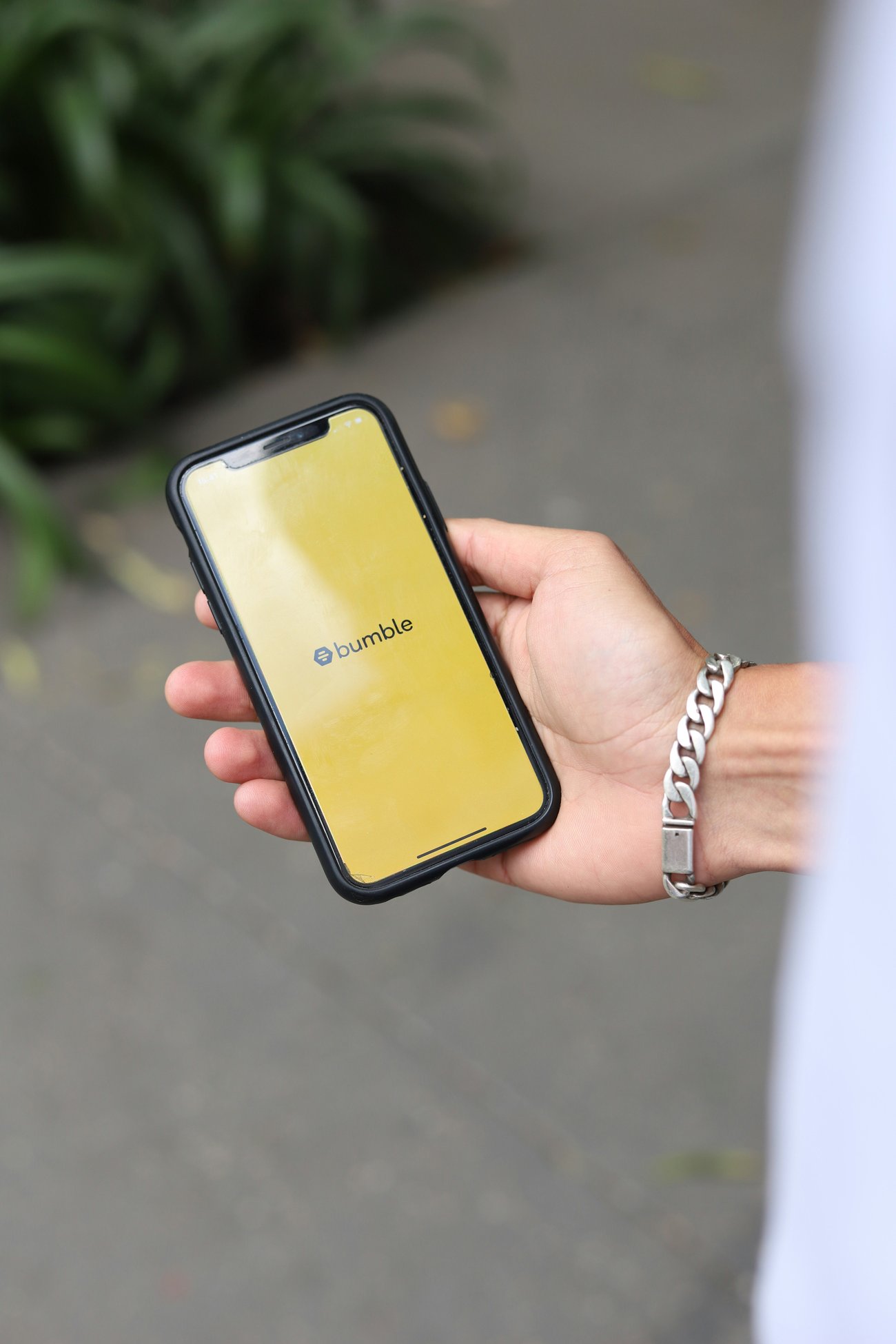
TL;DR: Bumble is quietly dismantling two of the things that defined Bumble. First, it says the swipe could be on its way out, as Gen Z apparently prefers meeting people in groups and, radical concept incoming, in real life. Now it's also scrapped its famous rule requiring women to message first. When your turnaround strategy involves removing the features that made you different, you know dating apps are having a moment. 🐝
What happened? Bumble is betting increasingly heavily on IRL connections. Its new Plans app organises low-pressure group drinks and dinners, with CEO Whitney Wolfe Herd saying early tests have been promising and that “group socializing is a real part of how Gen Z prefers to meet.”
The company is also developing a new interaction model for Bumble itself based on “fewer, better, more considered signals” rather than endless swiping. Tinder is experimenting with more real-world events too. Turns out after spending a decade turning dating into e-commerce, young people would quite like to meet another human being. Revolutionary. 🍸
Then Bumble went one further. Men can now message first. The women-message-first rule that differentiated Bumble since its 2014 launch is officially gone, with either person now able to start the conversation. Bumble says its research found 66% of women surveyed actually preferred men to send the first message, while matches now have 72 hours rather than 24 hours to reply. So less pressure, fewer disappearing matches and apparently fewer women wondering why they downloaded an app only to be given another admin task. 📱
There is, however, some inconvenient financial context to this romantic awakening. Bumble's Q2 revenue fell 15.2% year-on-year to $210.5 million, and it expects paying customers to decline again in Q3. So this isn't just Bumble suddenly discovering the magic of dinner with strangers. The dating-app model itself is struggling with user fatigue, endless swiping and the rather fundamental problem that successful dating theoretically results in customers leaving your product. Not ideal SaaS retention. 📉
🧠 So what? For years, technology's answer to dating was to remove friction: more profiles, faster matching, infinite choice, instant messaging. Bumble is now essentially arguing that the friction might have been the point. Meeting through friends, chatting in groups, seeing whether chemistry develops and not choosing someone in 1.7 seconds based on six photographs sounds suspiciously like… dating before dating apps. 🧠
And there's an even bigger irony here. Technology spent years digitising awkward human interactions because apps could supposedly make them more efficient. Now Bumble is using technology to organise drinks and dinners where people can meet naturally, while designing its app to behave more like real-world interaction. We've apparently innovated all the way back to “maybe go outside and talk to someone.” ❤️
🔗 Read more:
TechCrunch — Bumble teases a swipe-free future as it doubles down on IRL meetups:
https://techcrunch.com/2026/08/06/bumble-teases-a-swipe-free-future-as-it-doubles-down-on-irl-meetups/
TechCrunch — Bumble ditches its rule that kept men from making the first move:
https://techcrunch.com/2026/08/11/bumble-ditches-its-rule-that-kept-men-from-making-the-first-move/
|
|
|
|
😂 Claude will be snitching on you😅
TL;DR: From August, new Claude models will start adding invisible watermarks to AI-generated text, alongside provenance information for supported files. The change is being introduced to comply with the EU AI Act — but Anthropic is rolling it out globally. So that email you definitely wrote entirely yourself but merely asked Claude to “tidy up a little”? Claude may now be leaving a receipt. 🧾
What happened? Anthropic has signed up to the EU AI Act’s transparency code and says models launched in the EU from 2 August will support machine-readable marking. This applies across Claude, its API, Claude Code and other products, with Anthropic also working on bringing the technology to older models. Text gets an embedded watermark designed to travel when copied and pasted, while supported images and files can carry signed provenance metadata using the C2PA standard. 🔎
The important bit is that this isn't staying in Europe. Rather than maintain separate EU and non-EU versions, Anthropic says supported models will use the markings wherever Claude is available. Another little demonstration of the Brussels Effect: the EU writes a rule for its market and a global technology company decides it's easier to change the product everywhere. 🇪🇺
There is a pretty big caveat, though. A Claude watermark doesn't necessarily mean Claude wrote something. You could write 1,000 beautiful words yourself, ask Claude to polish the grammar, and the resulting text could still contain the signal. Anthropic itself warns that the watermark should therefore be treated as an indication of AI involvement, not definitive proof of AI authorship. Equally, heavy rewriting, translation or paraphrasing may make a watermark disappear. So congratulations: we've invented a detector that can potentially flag human writing as AI-assisted while sufficiently edited AI writing might evade it. Progress! 🤷🏾♂️
🧠 So what? This is actually a much bigger deal than “Claude gets a watermark”. Google actually has been doign this for a while. We're slowly building an AI provenance layer for the internet. As synthetic text, images, audio and video become indistinguishable from human-created material, governments and technology companies increasingly want content to carry some indication of where it came from. In theory, that's extremely useful for misinformation, deepfakes, fraud and the industrial quantities of AI slop currently colonising the internet. 🧠
But text makes this particularly messy. A photograph can plausibly have metadata saying where and how it was created. Writing increasingly exists on a spectrum: human-written → AI spellchecked → AI edited → AI rewritten → AI generated. Where exactly does “AI-generated” begin? If Claude changes three sentences, should your entire document effectively wear an AI badge? And what happens when employers, universities or publishers start treating detection as a binary judgement or actually smart good use of the tech avaialable rather than the imperfect signal Anthropic says it is? ✍🏾
There's another irony here too. We've spent the last few years arguing about unreliable third-party AI detectors trying to guess whether something was written by a machine. Now the model companies themselves are effectively saying: fine, we'll leave fingerprints. That could make provenance significantly more reliable — but it also means AI companies are increasingly determining the technical infrastructure through which the rest of us prove how our own work was created. 🔐
And if other major model providers follow with interoperable systems, “was AI used?” could eventually become something software can check automatically. That could be great for transparency. It could also produce some spectacular workplace conversations when the document marked “Written entirely by me” quietly says Claude was here. 👀
🔗 Read more:
Mashable — Claude to start watermarking AI-generated content:
https://mashable.com/tech/claude-watermark-ai-generated-content
City AM — Claude to watermark AI ‘slop’ – including edited human writing:
https://www.cityam.com/claude-to-watermark-ai-slop-including-edited-human-writing/
Glitchwire — Anthropic's global watermarking rollout:
https://glitchwire.com/news/claude-will-start-snitching-on-you-anthropics-eu-spurred-global-watermarking-reg/
|
|
|
|
|
|
📈 The tools behind the tech📉
📦Product📦
📏Design📏
👩🏿💻Code👩🏿💻
🏢The business behind the tech🏢
|
|
|
|
|
|
🛍️Tech deal of the week🛍️ |
 |
|
|
|
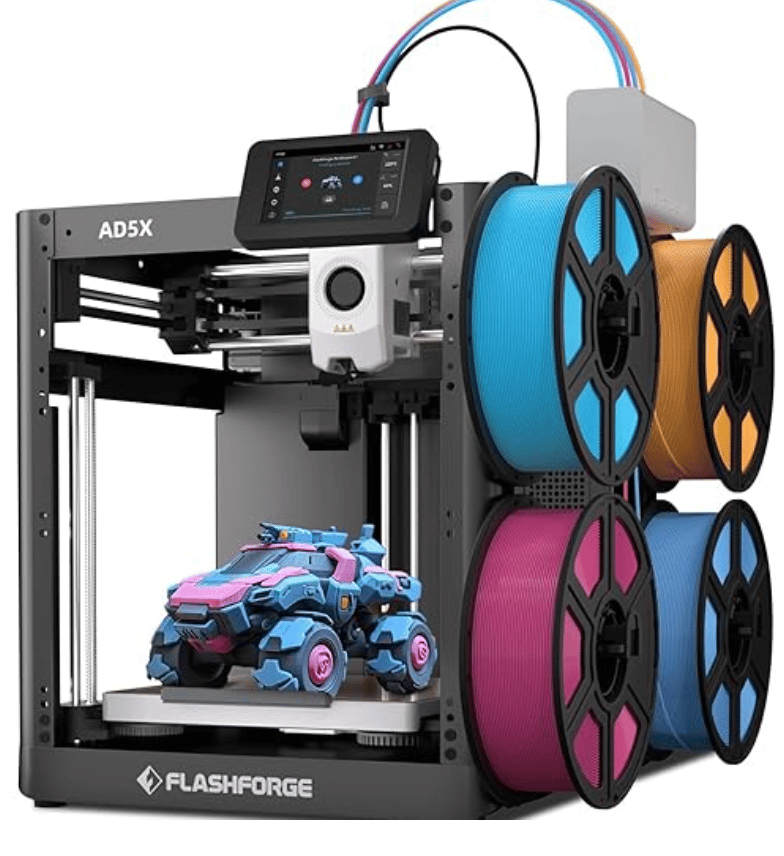
Ok a bit rouge, but we do have a 3d printer for under £300 quid
Link here and check out our other deals too
And view our shop with our whole collection here
|
|
|
|
|
|
😅Meme/AI video of the week 😅 (the internet can be savage lol) |
 |
|
|
|
🌐Partner Events & Opportunties 🌐 |
|
Below are the top opportunities we want to highlight to you this week! If you want to see more, then check out our new website where we have a whole page dedicated to events and opportunities from us and our partners:
https://www.colorintech.org/events
|
|
|
|
🙌🏾A Passport to Personalisation: Earning Customer Trust in AI🙌🏾
Ever wondered how AI knows you so well? That's exactly what our next event is about.
We are hosting a panel discussion all about AI personalisation and discussing how brands are navigating data, bias, and trust in the age of AI @ Tripadvisor
We have an incredible line up of speakers including:
Shubham Kadlag: Manager, Marketing Engineering @ TripAdvisor
The person behind the tech that personalises how TripAdvisor reaches travellers across search, social, and CRM.
Subomi Salami: Senior Product Manager @ Microsoft AI
Senior PM at Microsoft AI, where she builds AI-powered experiences that enhance the way people work.
Daniel Hammond: Senior Product Analyst @ Just Eat Takeaway
Co-founder of Just Eat's AI Ambassador Programme, championing knowledge sharing as the key to scaling with AI.
Tasneem Bhamji: Digital Engagement Director @ Lloyds Banking GroupAn executive at Lloyds Banking Group where she specialises in digital engagement and customer experience.
There will also be giveaways and opportunities to network with people from across the tech community.
📆Date: Wednesday 9th September
⌚️Time: 6pm - 9pm (with time for networking) UK Time
📍Where: Central London
Register to secure your free ticket here (spaces are limited and subject to availability)
|
|
|
|
|
|
🙌🏾The latest from the Colorintech team🙌🏾 |
|
|
|
|
|
|
|
|